
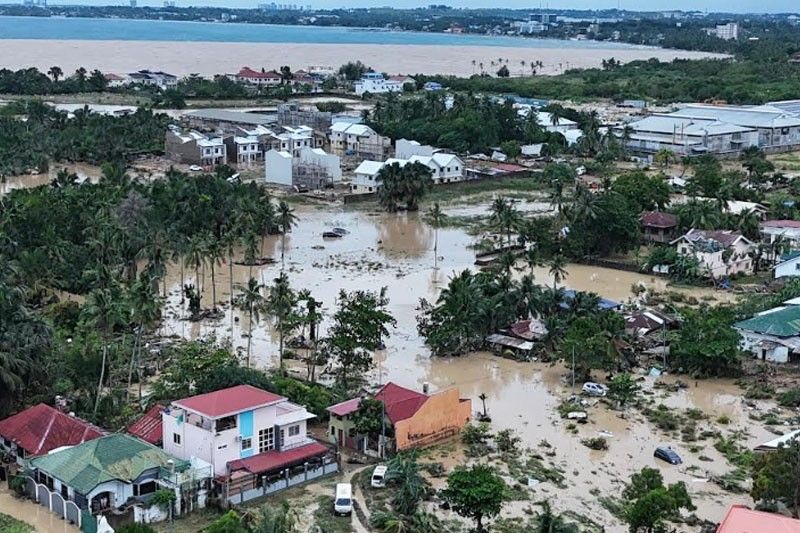
Some mornings the news feels like a slow, steady erosion of faith. In Alberta, the air grows thick with frustration: another round of political posturing, another policy that chips away at compassion. Back home in the Philippines, headlines carry the same exhausted rhythm—scandals, denials, the familiar choreography of power protecting itself. And now, the devastating floods in Cebu City: entire neighbourhoods submerged, families wading through chest-deep water, their homes gone overnight. It’s too easy to scroll through these stories with a detached sigh, the mind whispering, nothing changes.
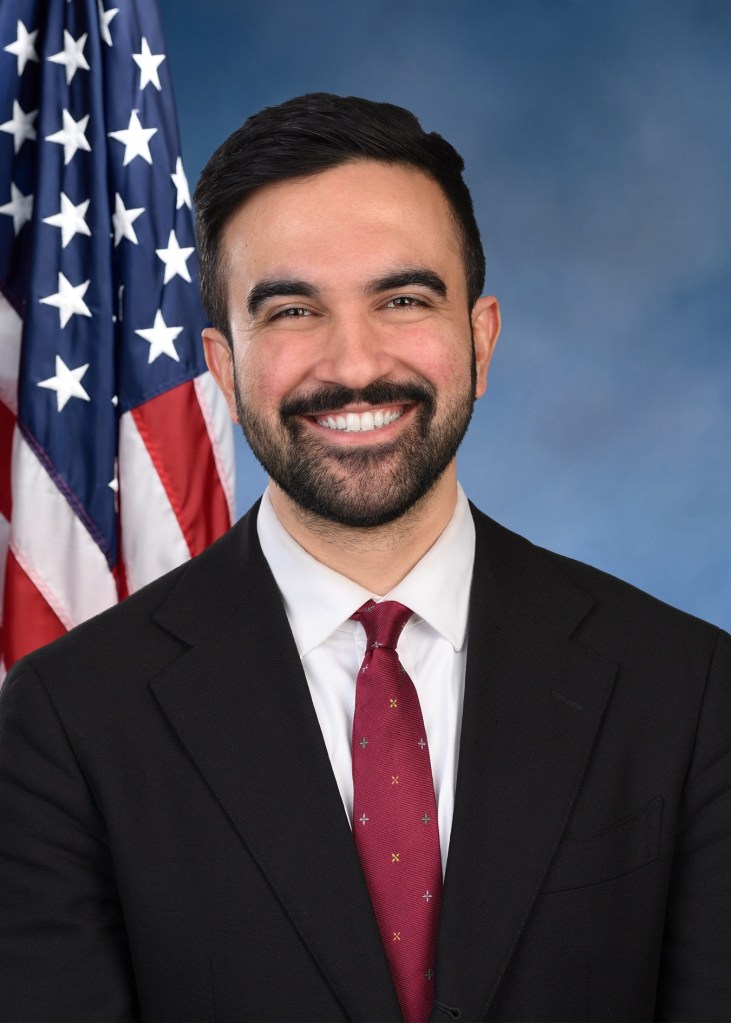
And yet, somewhere across the border, a different headline broke through the fog: Zohran Mamdani elected as mayor of New York City, the first Muslim, the first South Asian, and the youngest person in more than a century to hold that office. A democratic socialist who believes politics can still be an act of care, Mamdani speaks about housing as a human right, about the dignity of work, about the possibility of joy in public life. Against the cynicism that saturates our age, his win feels like a small flare of light—proof that collective imagination is not dead.
I’ve been thinking a lot about what it means to hold on to hope when everything invites despair. Not the fragile, sugar-coated optimism that corporations print on billboards, but the quiet, stubborn kind that insists on meaning even in the dark. The philosopher Gabriel Marcel called this stance the metaphysics of hope. Writing in the ashes of war, he believed hope was not an emotion but a refusal. Hope, for Marcel, was the act of keeping the future open when every sign says it’s already sealed.
That feels radical now. To remain open—to trust that the world can still surprise us—demands courage. Despair, after all, is seductive. It dresses itself as wisdom: the world is broken, people are selfish, nothing will change. It spares us the work of caring. It tells us that withdrawal is a form of intelligence. But Marcel reminds us that despair is not insight—it is a kind of metaphysical closure, a refusal to engage with being.
Living in Alberta these days tests that engagement. I see exhaustion in people’s faces: nurses leaving hospitals, teachers taking on second jobs, artists wondering if there’s still a place for their work. Hope here cannot depend on policy announcements or economic forecasts. It must be homemade, sustained by small acts of integrity and care. I see it in friends who keep volunteering despite burnout, in writers who gather to share drafts even when the audience is small, in neighbours who shovel each other’s sidewalks without being asked. Hope becomes political precisely when it refuses to be naïve.
In the Philippines, hope has always been an act of resistance. My generation grew up hearing that democracy had been restored after the Marcos dictatorship, only to watch the same names return in different suits. Yet amid the cycles of disillusionment, people still fill the streets with song, prayer, and outrage. There’s something holy in that refusal to surrender to cynicism. It is not optimism—it’s faithfulness. As Marcel would say, hope is the fidelity of the soul when reasons for fidelity are gone.
Perhaps that’s why Mamdani’s election moved me more than I expected. It wasn’t just a political victory; it was a moral gesture. In an age when politics feels like theater for the wealthy, he speaks of community, solidarity, and repair. He reminds us that hope does not ignore despair—it confronts it, refuses to let it dictate the story.
As a writer, I wrestle with this every day. The world feels increasingly hostile to tenderness. Outrage travels faster than compassion. Yet I return to the page not because I am optimistic, but because I want to remain faithful—to language, to truth, to the small belief that words can still heal. To write about love, diaspora, or forgiveness in this time feels, in its own way, subversive. It says: the human spirit is not reducible to headlines.
Marcel once wrote that hope is for the soul what breathing is for the living being. The image stays with me: breath as defiance. When systems choke the air with fear, when cynicism tightens its grip, the simple act of breathing—of continuing, of creating—is resistance.
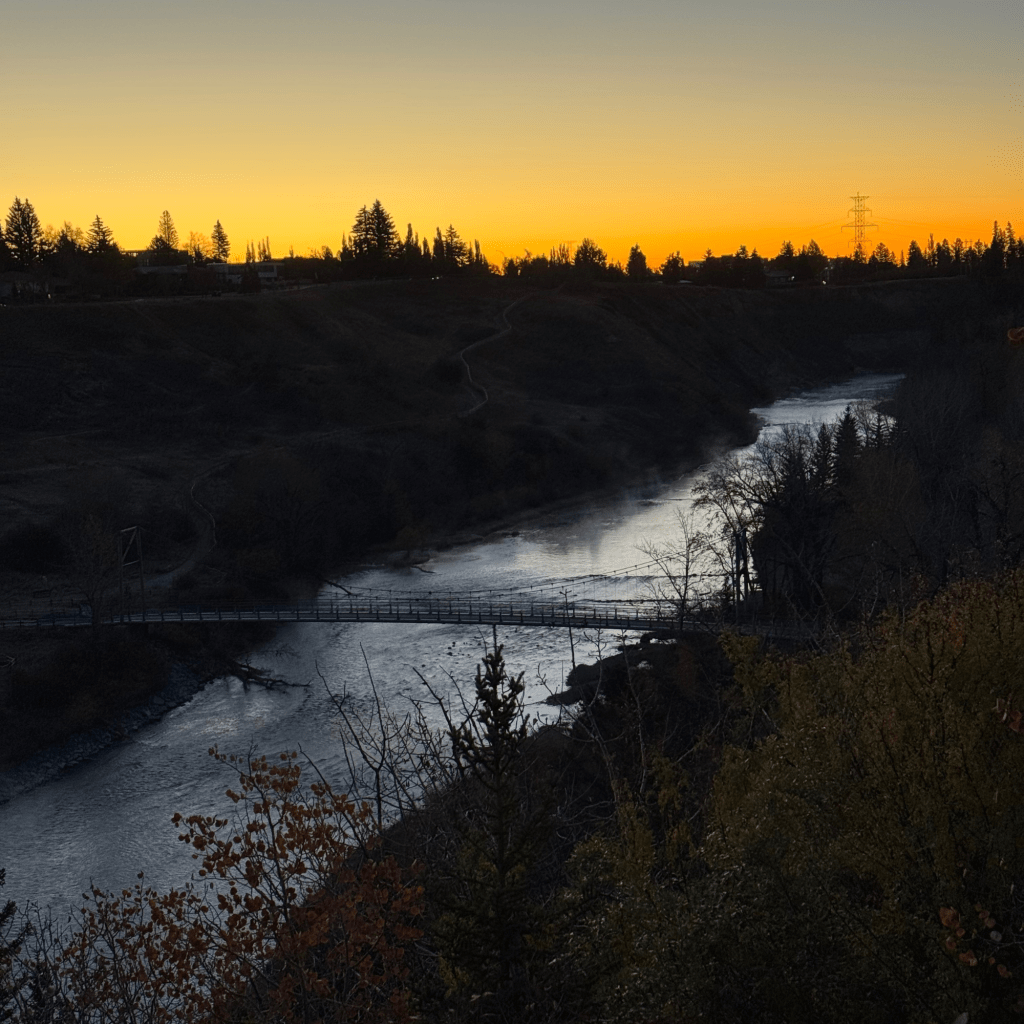
These days, I practice that kind of breathing. I take long walks with my husband, watch the city’s early winter light soften along the Bow River, and remind myself that this, too, is a form of fidelity. Hope doesn’t always roar; sometimes it whispers through the rhythm of ordinary life. It is the discipline of showing up—on the page, in the community, in the fight for justice—even when the world feels indifferent.
Maybe that’s what it means to resist despair: to keep participating in the unfinishedness of things. To keep writing, cooking, voting, loving, breathing—knowing that each gesture, no matter how small, helps reopen the future.
Because despair says the story is over.
Hope says: turn the page.

 Renato Gandia