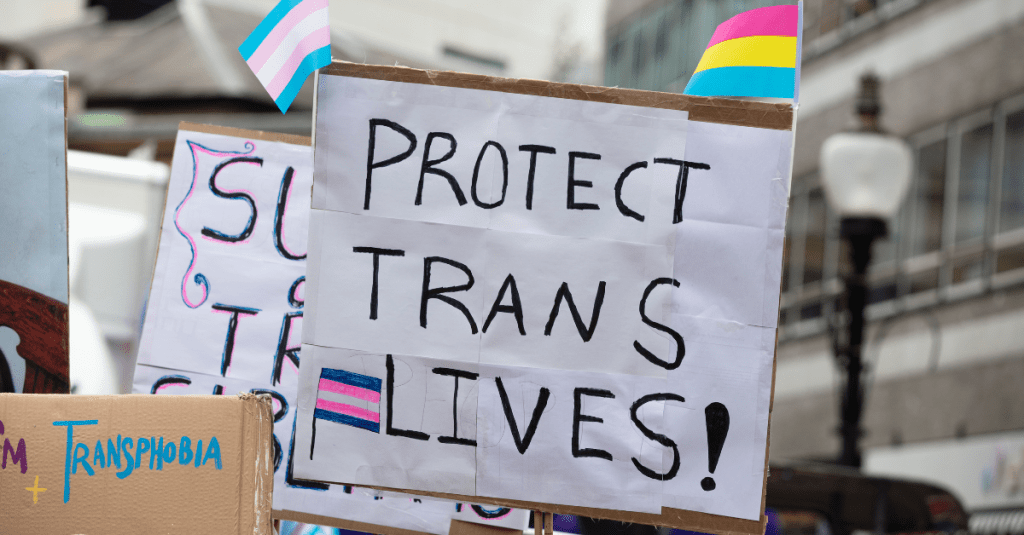
There are political moments that stay with you not because they are dramatic, but because they are unsettlingly ordinary. Alberta’s decision to invoke the notwithstanding clause for the second time in just a matter of weeks is one of those moments—a shift that signals something larger, something we might not feel fully until it becomes the air we breathe.
The clause was never meant to be a regular tool. It was drafted into the Constitution as an emergency valve, a mechanism of last resort. It was meant to be used sparingly, carefully, even reluctantly. But when governments grow comfortable reaching for extraordinary powers, what once seemed exceptional begins to look routine. And once it becomes routine, it becomes easy.
That’s the part that worries me.
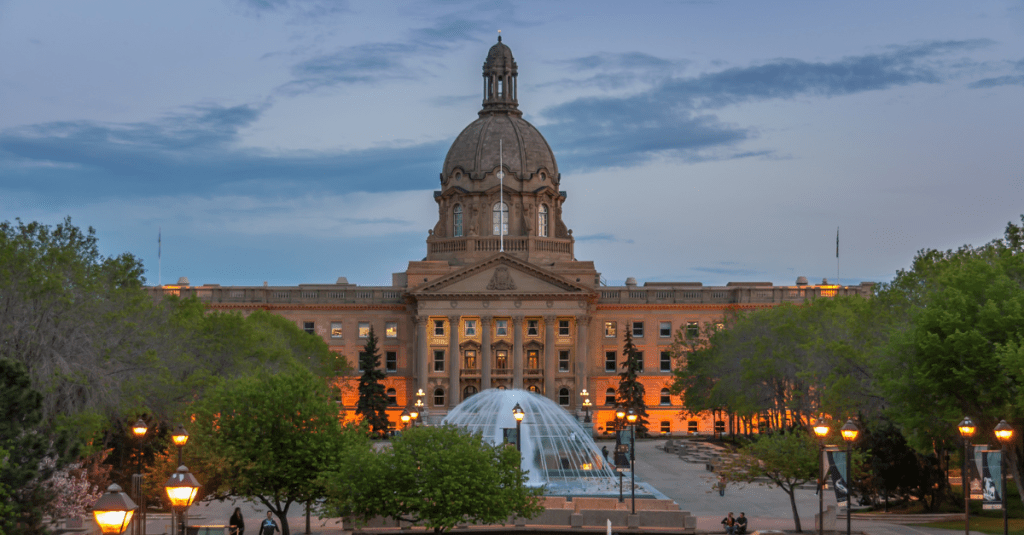
In late October, the Alberta government invoked the notwithstanding clause to end a province-wide teachers’ strike through the Back to School Act, imposing a contract and ordering educators back to the classroom. Barely weeks later, it reached for the clause again—this time to shield Bill 9, legislation that limits the rights of transgender and gender-diverse children in schools, health care and sport, from Charter challenges. Two invocations in such quick succession reveal a shift not just in decision-making but in comfort: a government increasingly willing to override rights rather than defend them.
Watching Alberta invoke the notwithstanding clause again—with the confidence of a government that knows it will face little political consequence—I feel a familiar tremor. I’ve seen this before. Not in the details, but in the pattern. Back home in the Philippines, governments have long been creative in the ways they sidestep rights, procedures and public accountability. The language is always the same: We need to act quickly. We need to protect order. We know what’s best.
By the time people realize what’s happening, the exception has already become the rule.
Of course, Alberta is not the Philippines. The institutions are stronger. The legal culture is different. The public expectation of accountability is higher. But no democracy, however stable it appears, is immune to erosion. It rarely collapses in a dramatic instant. More often, it thins from the edges—a policy here, a precedent there, a shift that does not alarm enough people all at once.
When rights are treated as obstacles rather than guardrails, something fundamental starts to erode.
What strikes me most about the government’s repeated use of the notwithstanding clause is not just the substance of the policies it shields, but the casualness of the gesture. It suggests a comfort with overriding rights instead of defending them. It signals a willingness to pre-empt judicial scrutiny rather than engage with it. And it creates a troubling blueprint for future governments, regardless of political stripe.
If a tool exists, someone will eventually use it.
If a tool becomes normalized, someone will eventually exploit it.
When we accept, or grow numb to, the use of exceptional powers, we also accept a different understanding of citizenship—one where rights are conditional on the preferences of those in office. The Charter stops being a floor beneath us and becomes a ceiling we bump against.
Maybe that is why this moment feels heavy. The government’s decision is getting a lot of media attention—as it should—but public noise doesn’t always translate into public alarm. The danger isn’t that this line is being crossed quietly; it’s that it’s being crossed openly, debated loudly, and yet still becoming normalized. That is the quieter shift beneath the headlines.
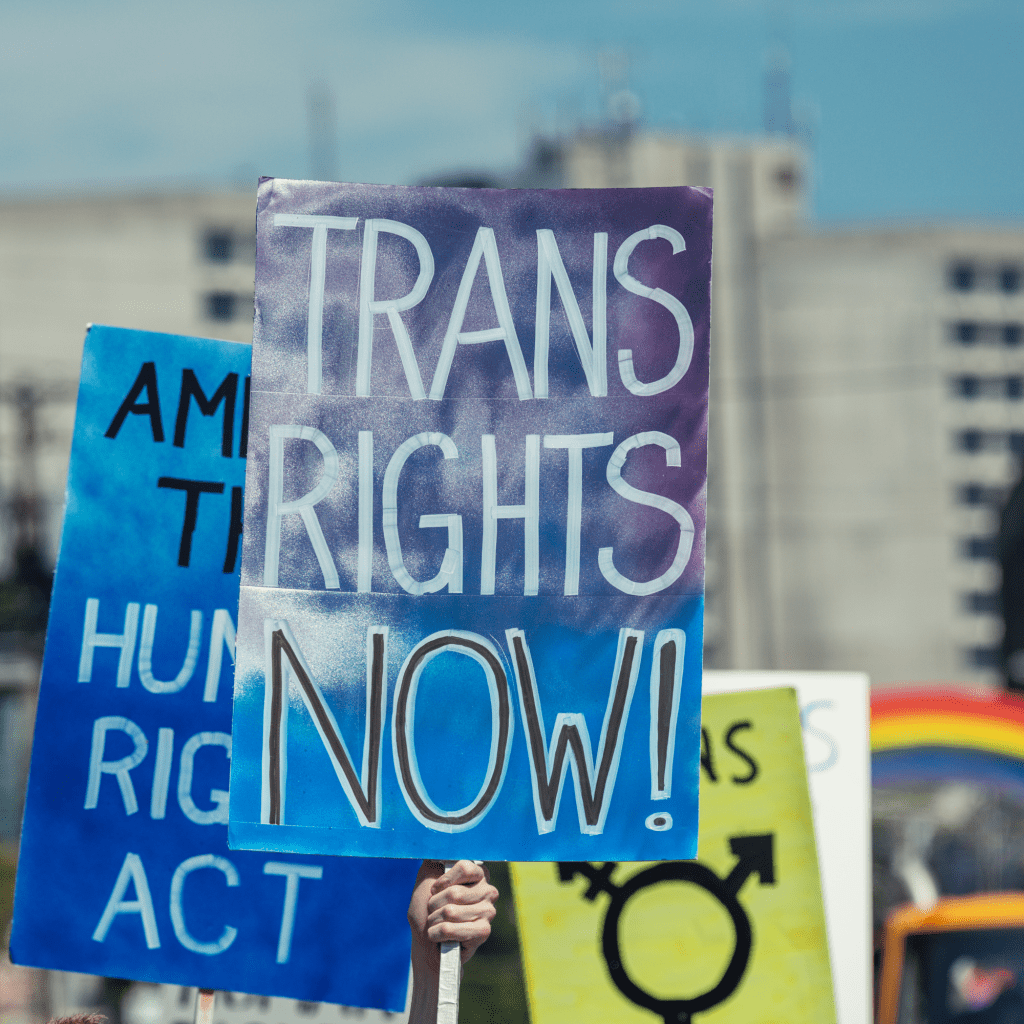
For many immigrants, including me, Canada represented a promise: that rights were built into the walls of public life, not granted by the mood or confidence of elected officials. That promise is not naïve; I still believe in it. But promises are only as strong as our collective insistence on honouring them.
We should be wary whenever a government becomes too comfortable saying:
This right does not apply here.
Or: This right applies only as long as we agree with it.
Or: We will simply set the Charter aside.
Even if you support the government’s policy goals.
Even if you dislike the group affected this time.
Even if the consequences do not touch your daily life—not yet.
Because rights are not about who is protected today; they’re about who might need protection tomorrow.
The use of the notwithstanding clause twice in a matter of weeks may not feel like an earthquake. But it is a shift in the soil beneath us. And if you’ve lived through enough political earthquakes, subtle or severe, you learn to pay attention to the first small cracks.
For many immigrants, Canada was the promise that rights were built into the walls of public life. That promise only holds if we insist on it.
This is not a call to panic. It is a call to awareness—and to memory. Democracies are sustained not by the strength of their constitutions but by the vigilance of their citizens. My hope is that we notice what’s happening before the exceptions become the norm, before rights become negotiable, before power becomes accustomed to operating without challenge.
We can disagree about policy. We can debate ideology. But we should resist the normalization of extraordinary powers. Because once governments learn how easy it is to override rights, they rarely forget.
And the rest of us shouldn’t either.

 Renato Gandia