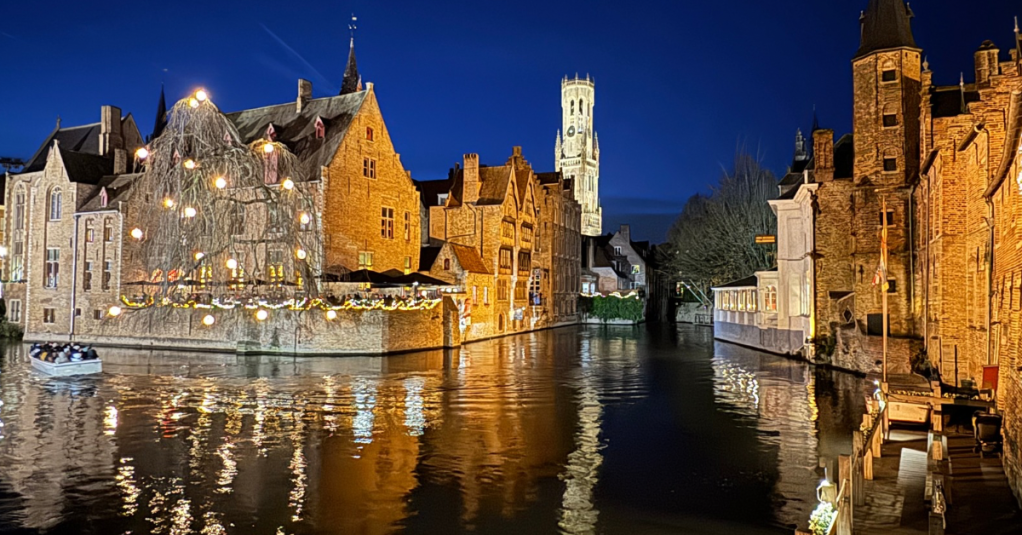
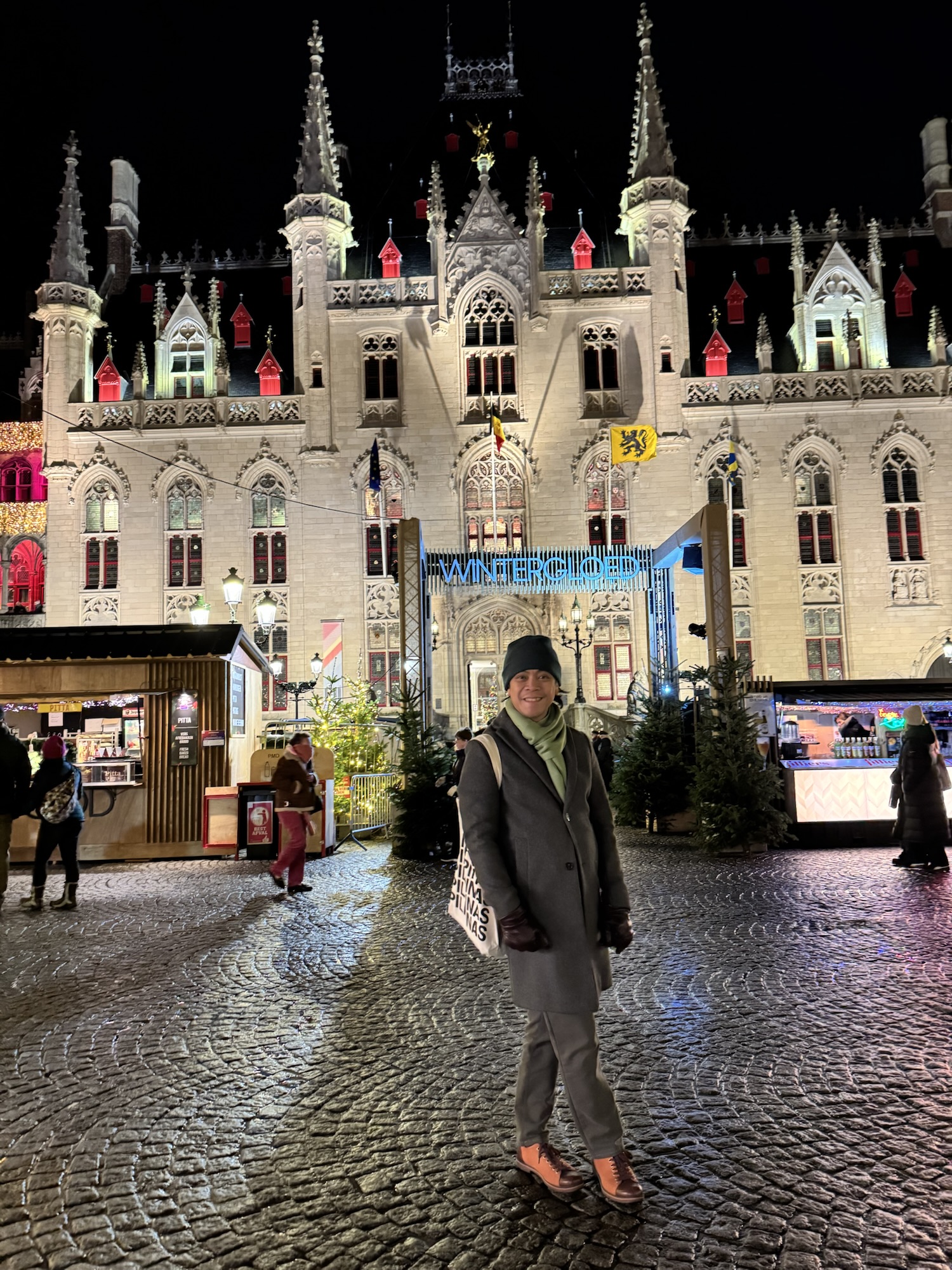
Bruges welcomed us with cobblestones, winter light, and a moment that tested both my patience and my ability to behave.
We had just arrived and wanted something simple: a warm place to sit and a cappuccino while waiting for our hotel room to be ready. We stepped into a café, expecting the usual café choreography—sit down, exhale, order something warm.
Instead, a staff member approached us with the question that has always rubbed me the wrong way: “Can I help you?”
I don’t know why this question irritates me so much, but it does. It feels unnecessary, even suspicious. What else would we be doing in a café—asking about transmission fluid? Looking for a pedicure? Browsing for a household appliance? The question always lands like a small affront.
Boyd, who is ever the polite one between us, smiled and answered gently, “We’re looking for coffee.”
The staff member shook her head.
“We’re not sitting people for coffee. Only for lunch.”
That was it for me. I leaned toward Boyd and whispered—no attempt to hide my irritation—
“I don’t want to stay here. Let’s go.”
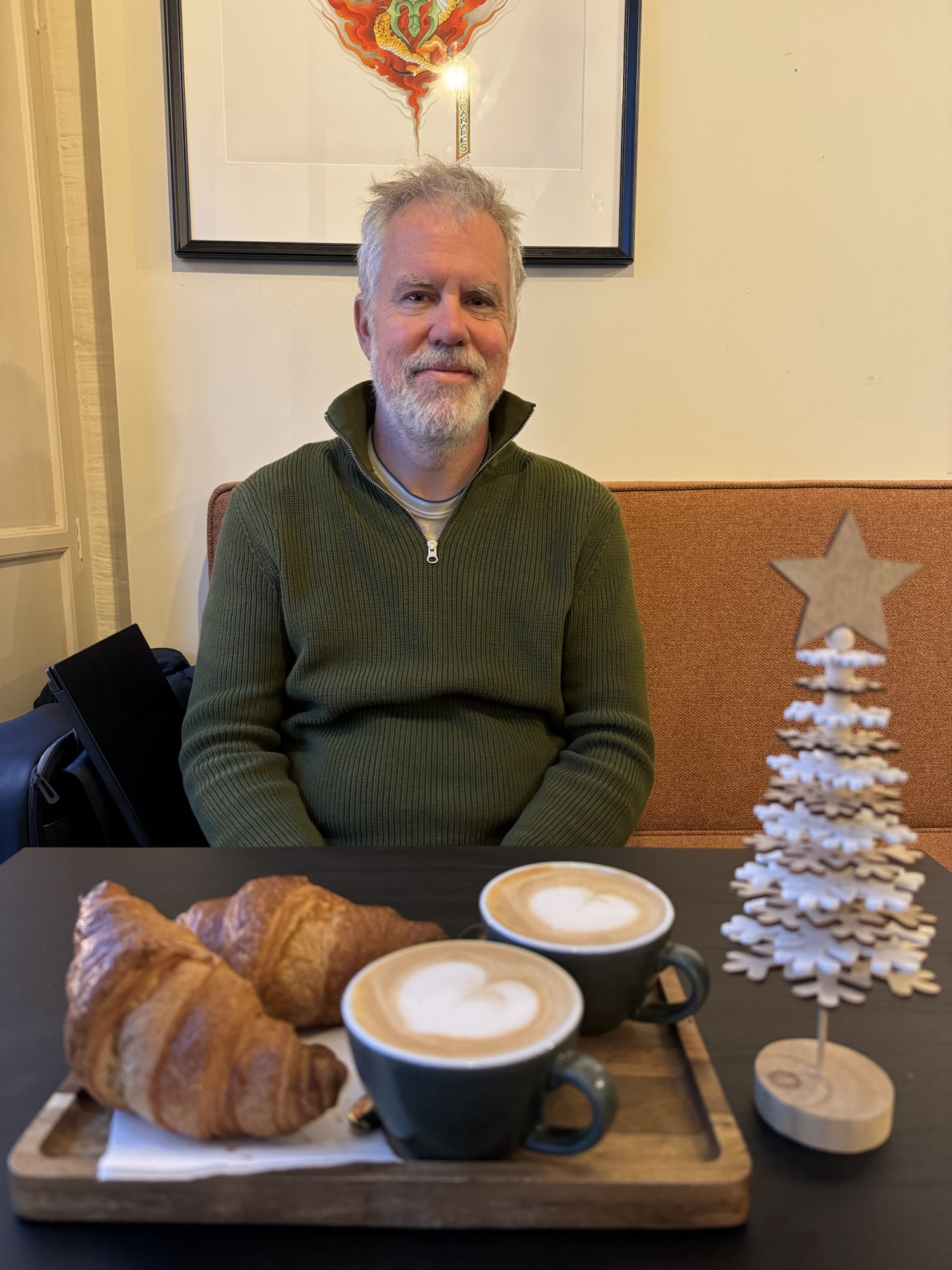
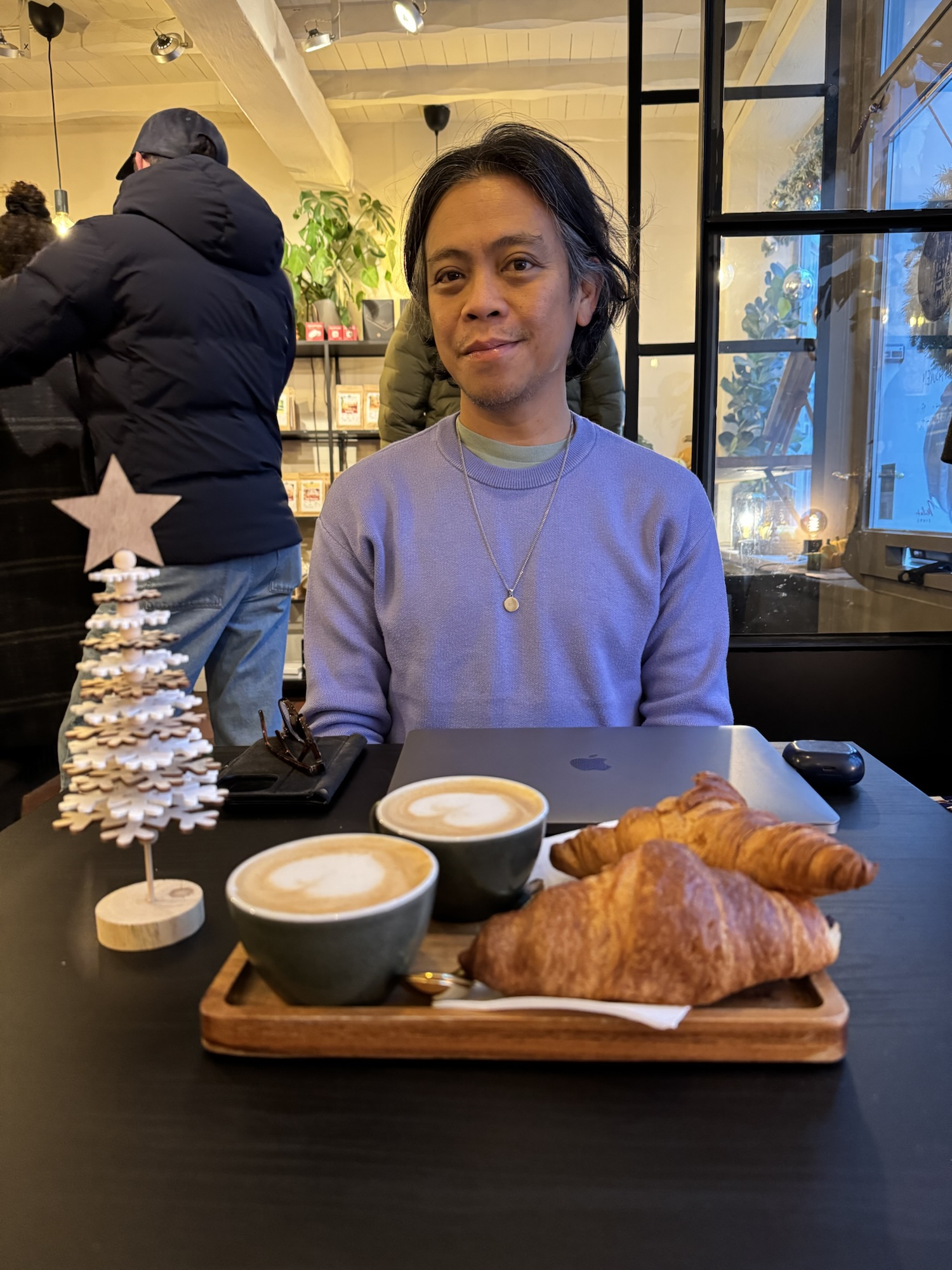
So, we left, carrying our bags and my bruised sense of dignity, and found another café along the main drag. This one didn’t seem troubled by the idea of two travellers wanting only coffee. We sat down, finally, and ordered cappuccinos.
They were delicious. Smooth, warm, perfectly balanced. As if Bruges itself were offering us an apology: That first place wasn’t me. Let’s start over.
That evening, after settling in, we joined a guided walking tour. Fourteen people had signed up; only four of us showed up. The guide looked genuinely delighted.
“Wonderful,” he said. “We can take our time and make it more casual.”
Dusk had already settled into its deep blue. Bruges at night is a softer, slower city—canals turning dark as ink, windows glowing like punctuation marks in a story still being written. Our guide led us past houses with uncertain histories, bridges said to bless lovers, façades carved with saints who have seen centuries of travellers pass beneath them. With such a small group, the city felt less like a tourist destination and more like a confidant. He even told us a ghost story about a monk who murdered a nun he fell in-love with but wouldn’t want anything to do with him. The murder took place in an old nunnery across from a monastery where the monk resided.
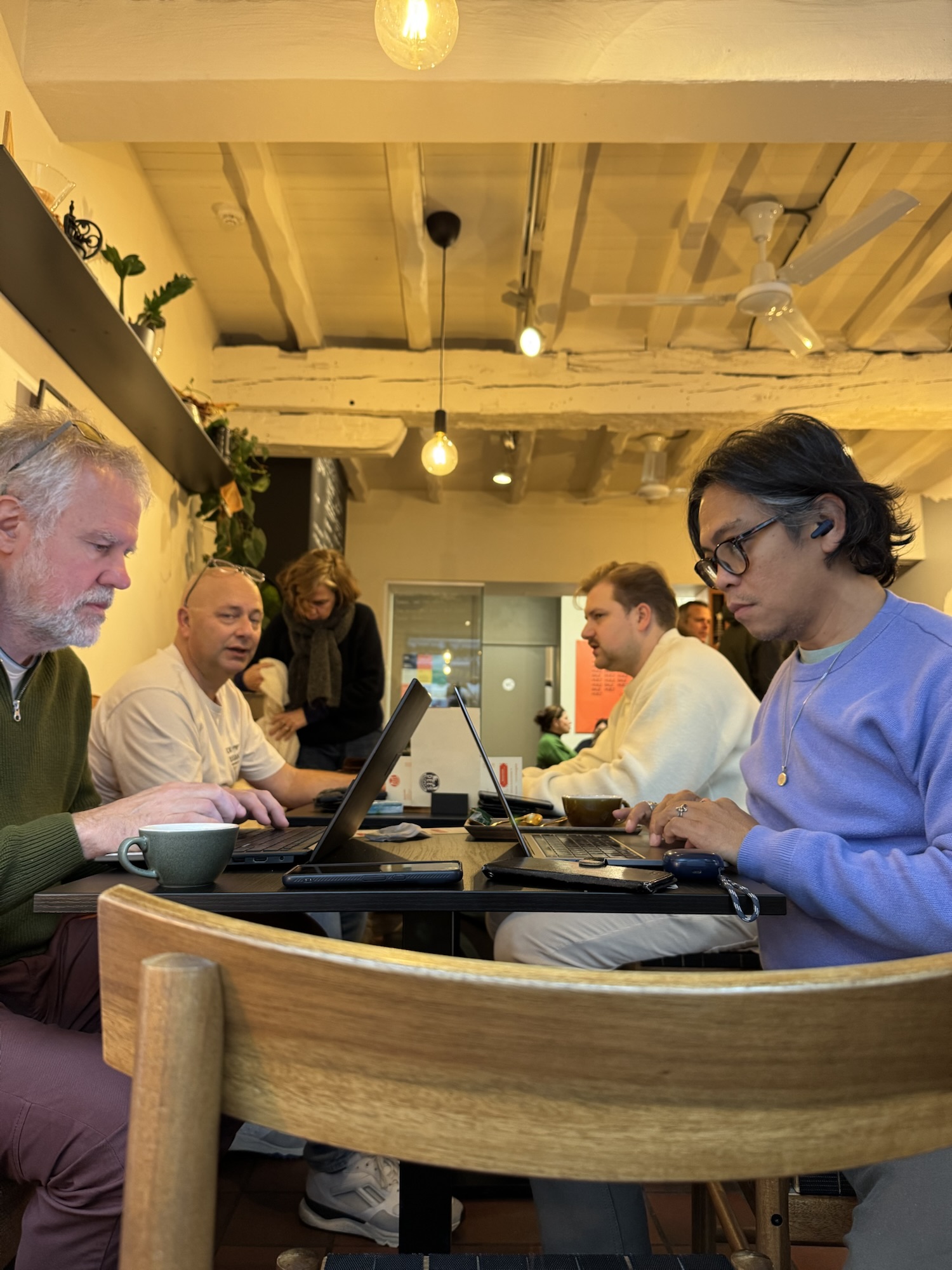
The next morning, we found a café to write in. Another cappuccino, equally perfect. By then we knew: Bruges takes its coffee seriously. Cappuccino here is not just a beverage; it is a quiet act of care.
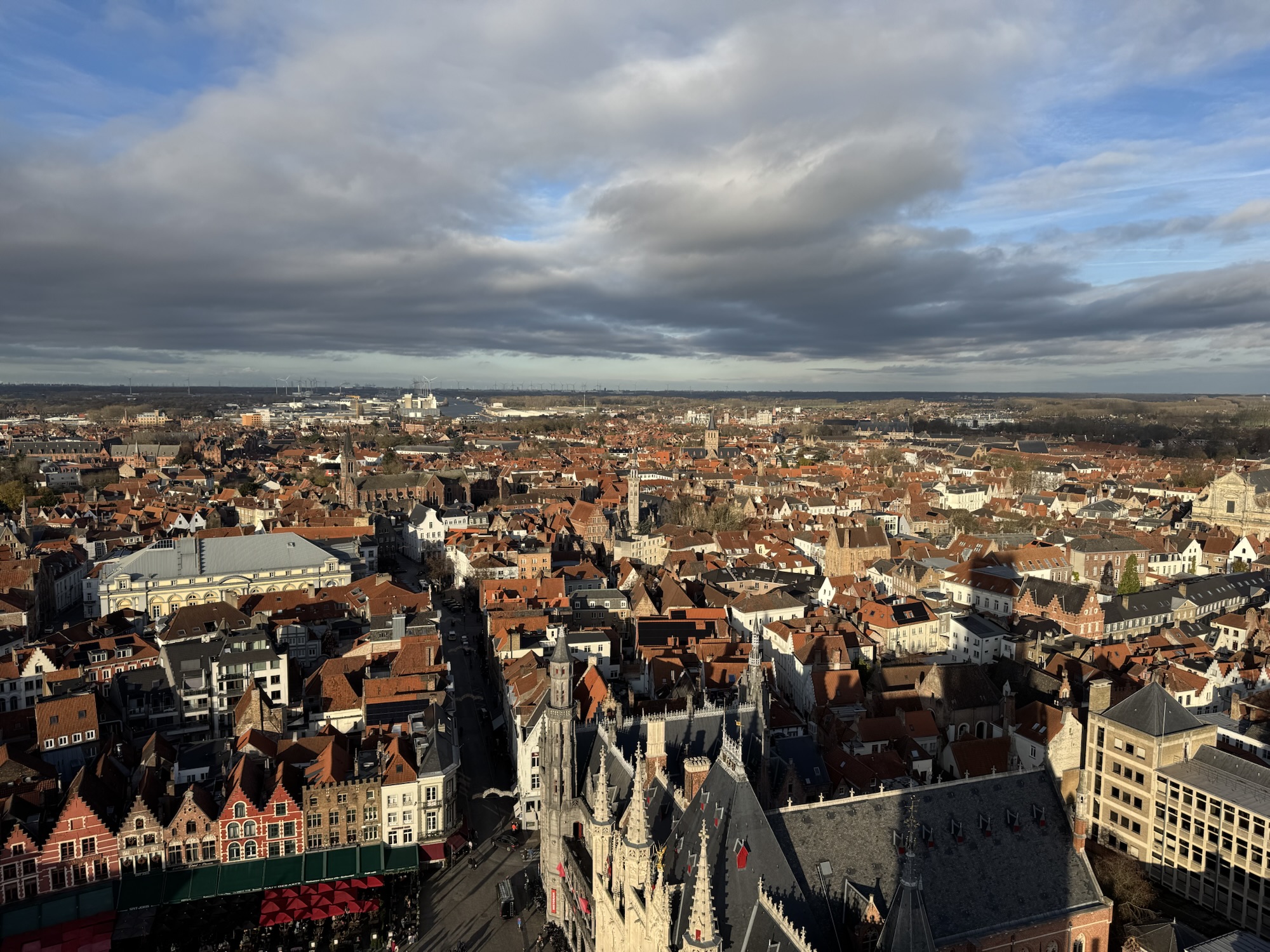
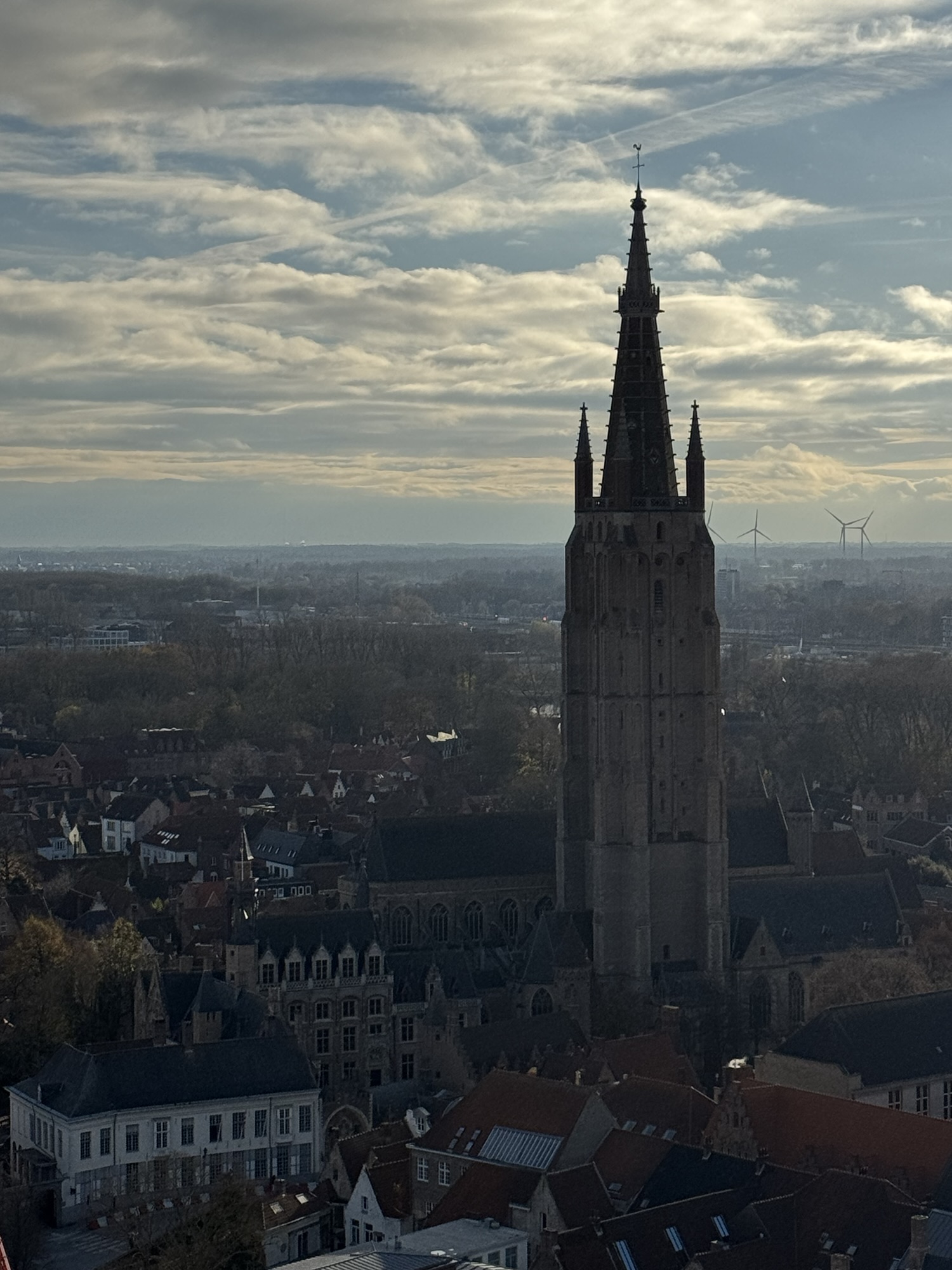
Later we climbed the Belfry—those narrowing stairs, that tightening spiral, that breath we could hear in our own chests. At the top, the bells hung like enormous, patient guardians. The view stretched across red roofs and curling streets, and beyond them, the clean silhouettes of windmills rotating steadily toward the horizon. Bruges from above looks like a city arranged by someone with a steady hand and a fondness for harmony.
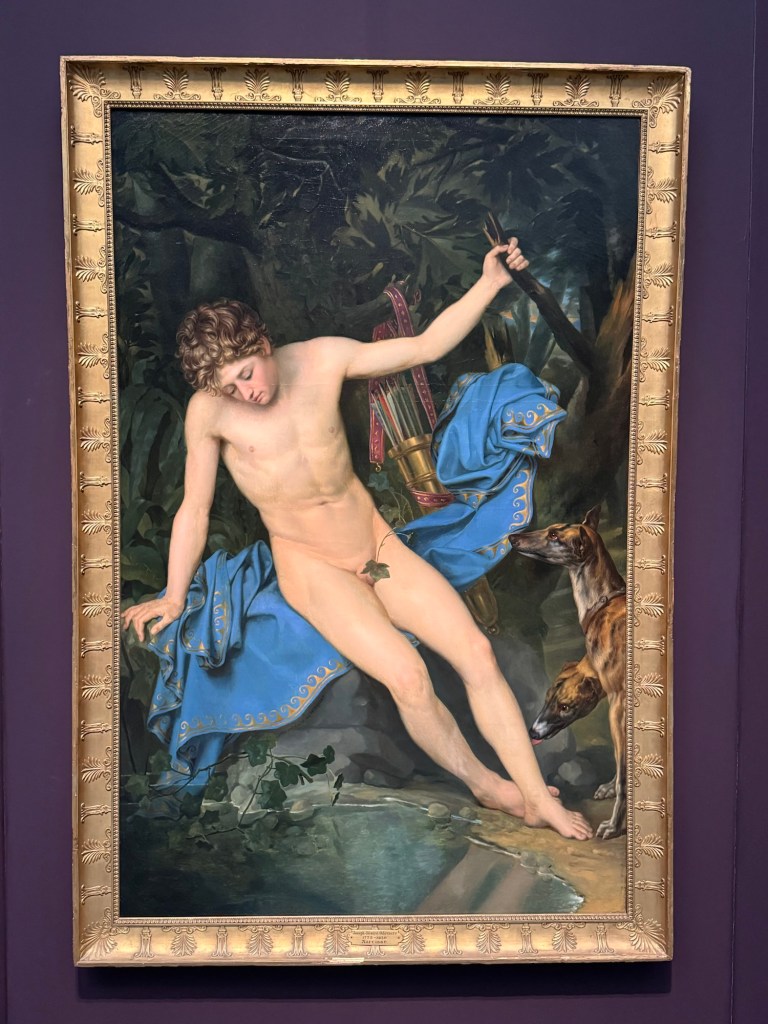
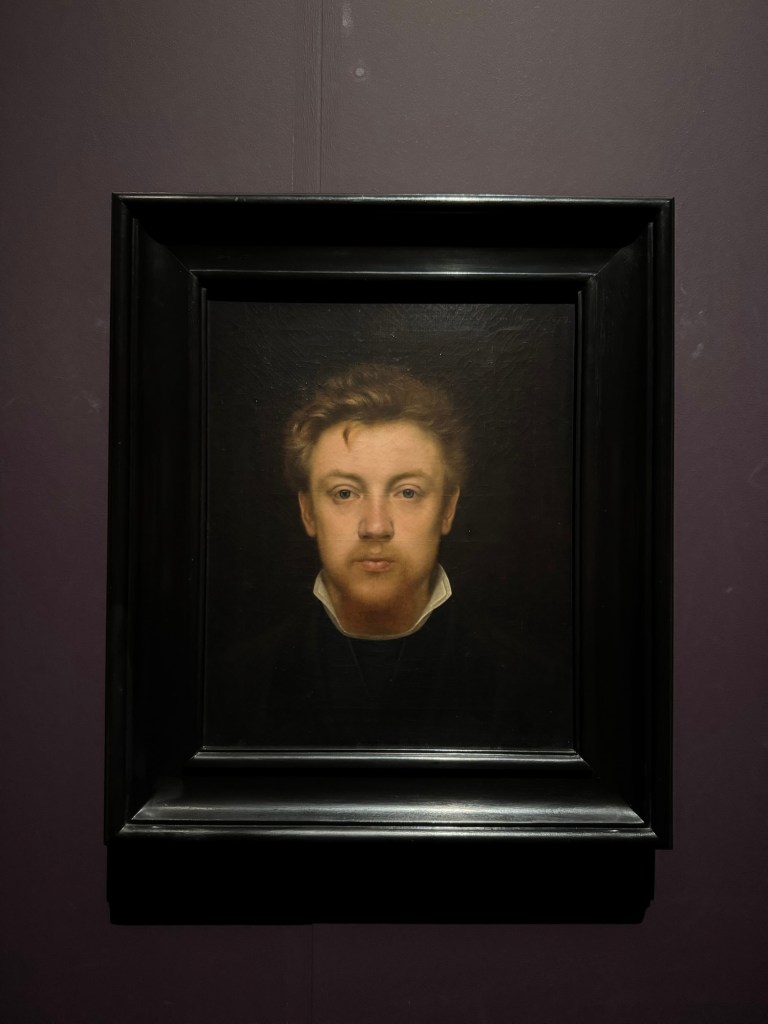
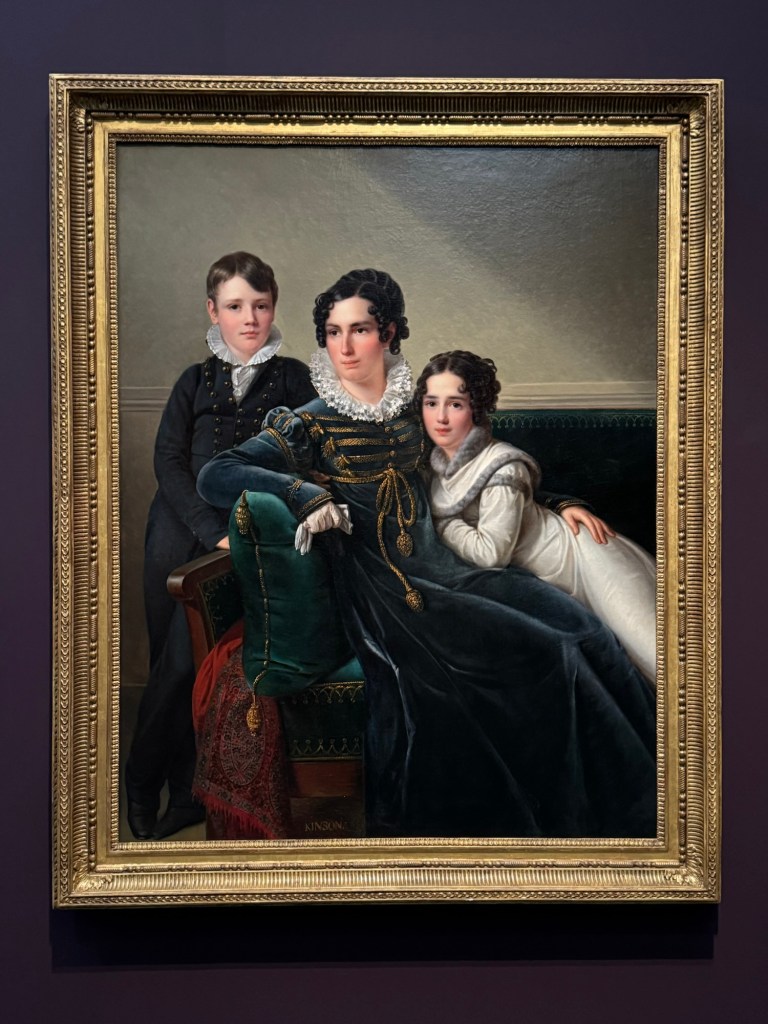
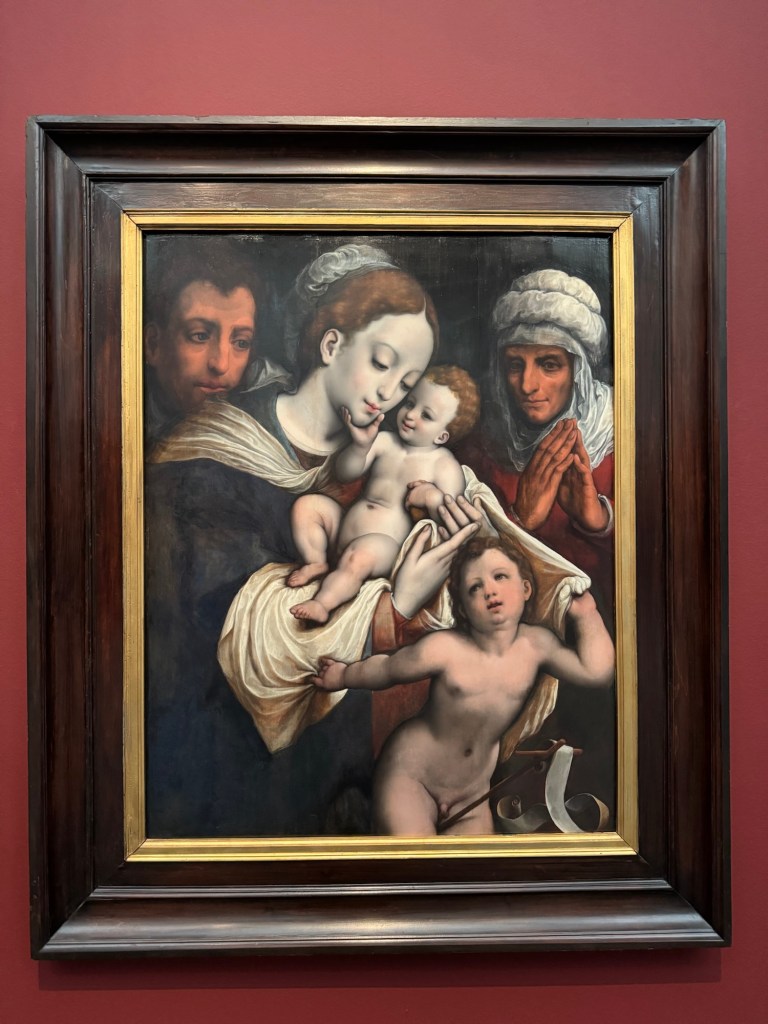
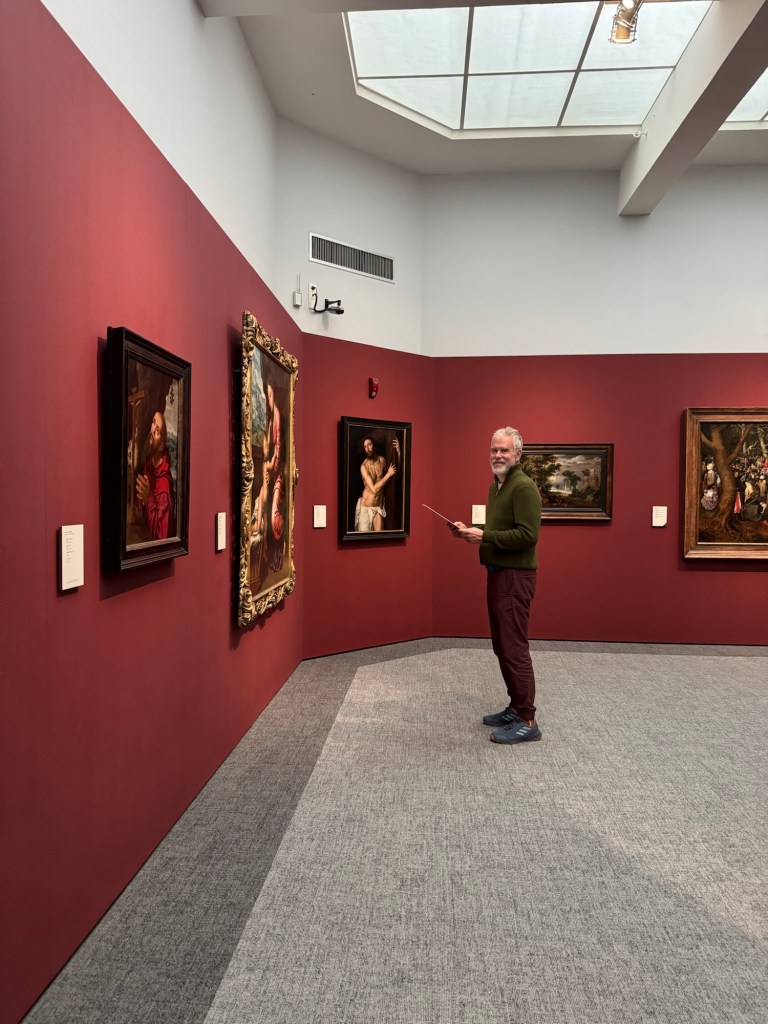
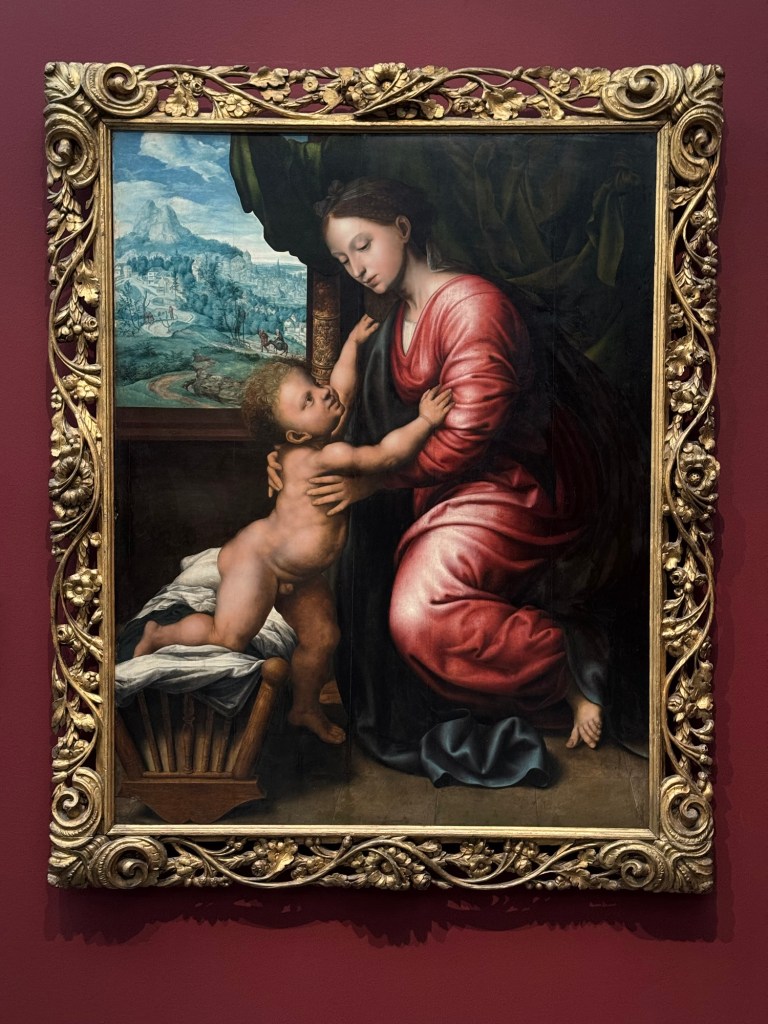
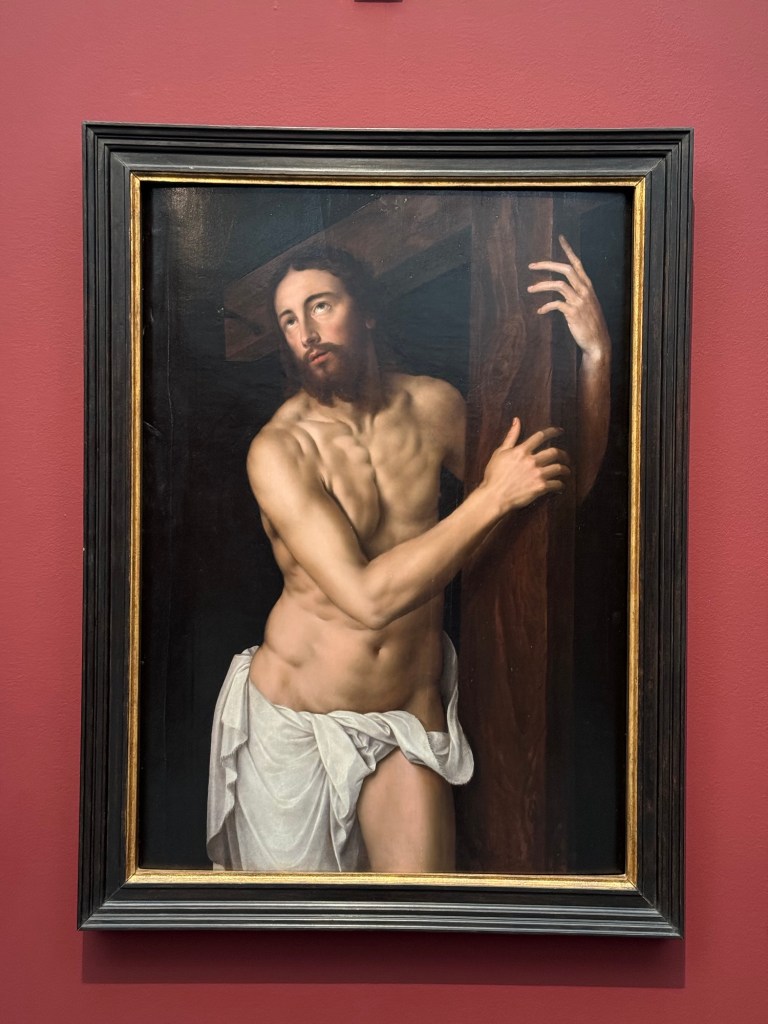
That afternoon, the Groeningemuseum offered a different kind of quiet. Rooms arranged for lingering. Flemish masters painted with a deliberate calm. Nothing clamoured for attention; everything invited it.
But it was our last night in Bruges that felt like a small ritual.
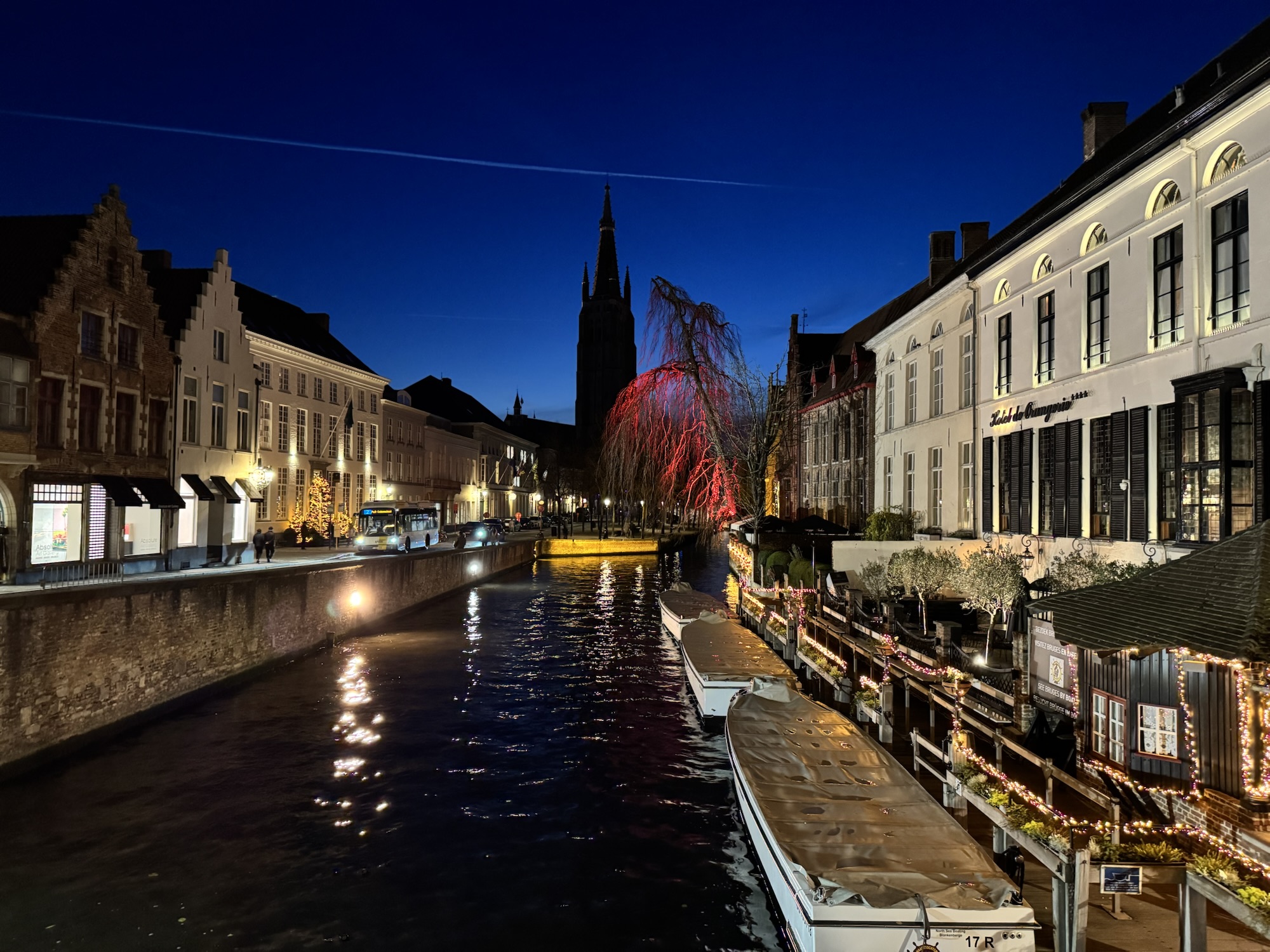
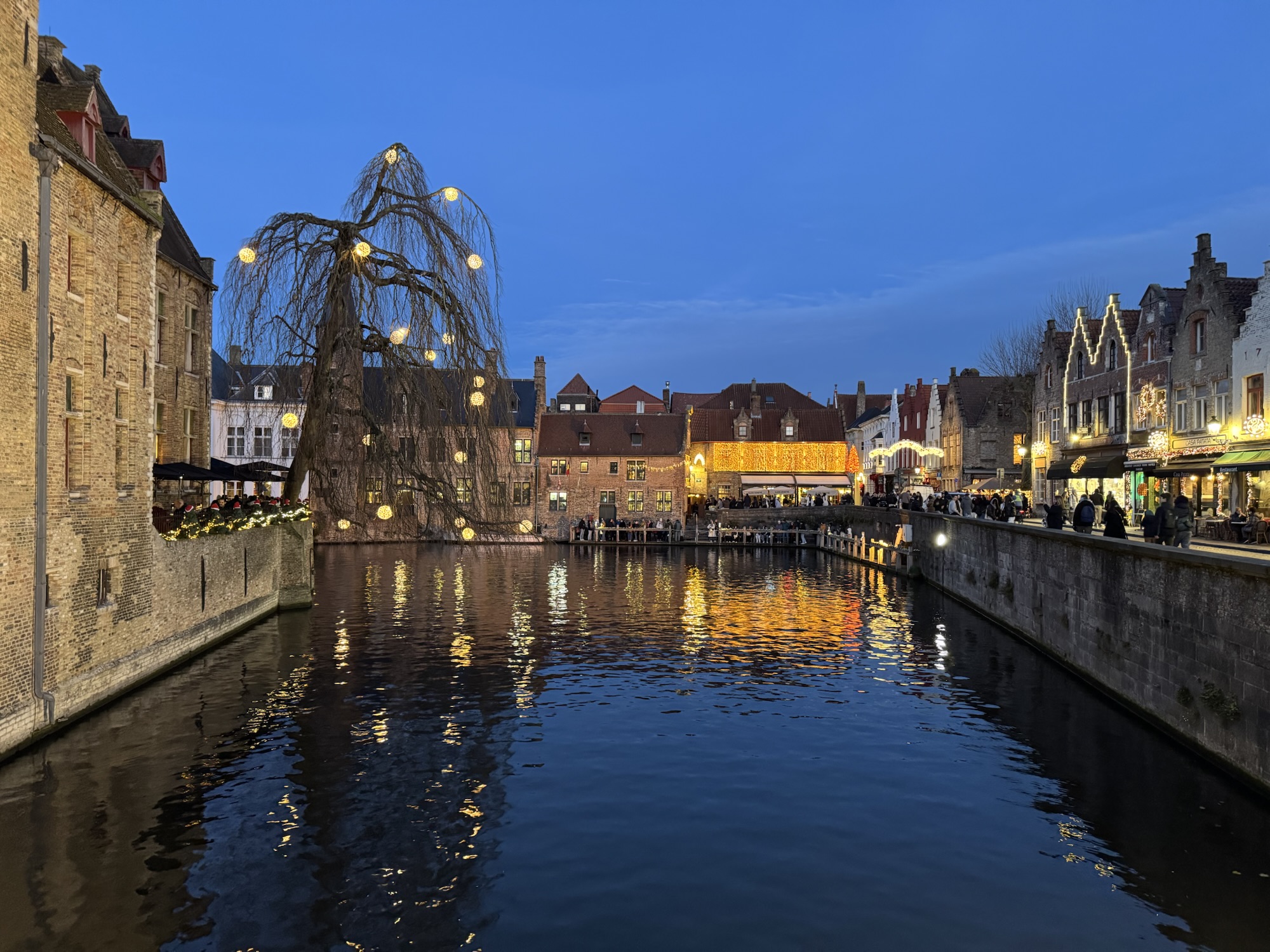
We decided to photograph the city during blue hour, that brief moment when day gives way to night and the sky slips into an impossible shade of blue. We carried our tripod through the cobblestones—an oddly tender gesture, as if we wanted to honour the city by meeting it at its most beautiful.
We moved from bridge to bridge, adjusting angles, waiting for the exact moment the water would mirror the light. The buildings glowed gold against the deepening sky. A lone tree shimmered with orbs, shaky and luminous. The canal held every reflection as if careful not to disturb them.
I lowered the camera once just to look. Bruges was quiet, but not asleep—glowing without performing, content without flaunting. Even the cold felt considerate, the kind that nudges rather than punishes.
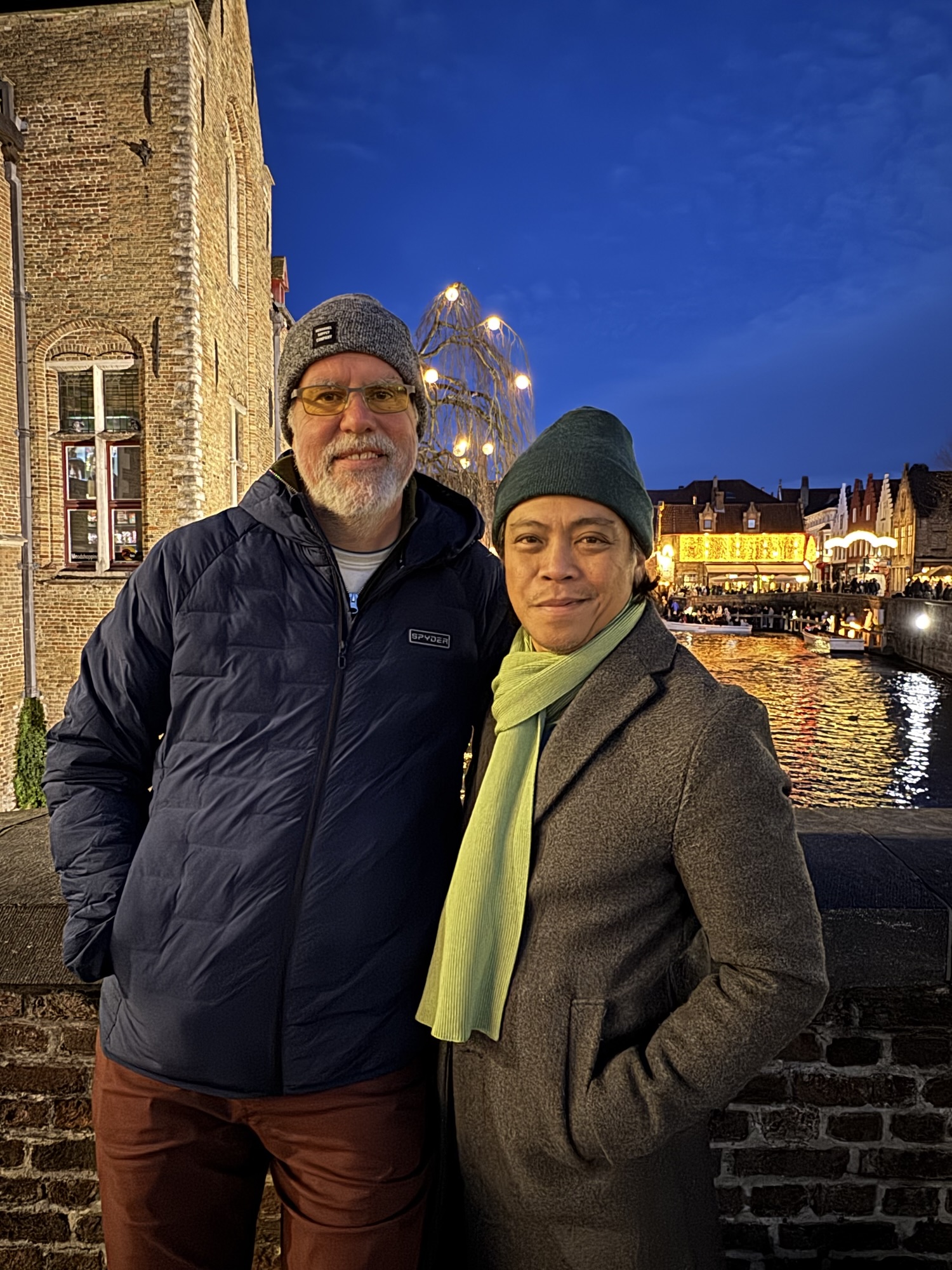
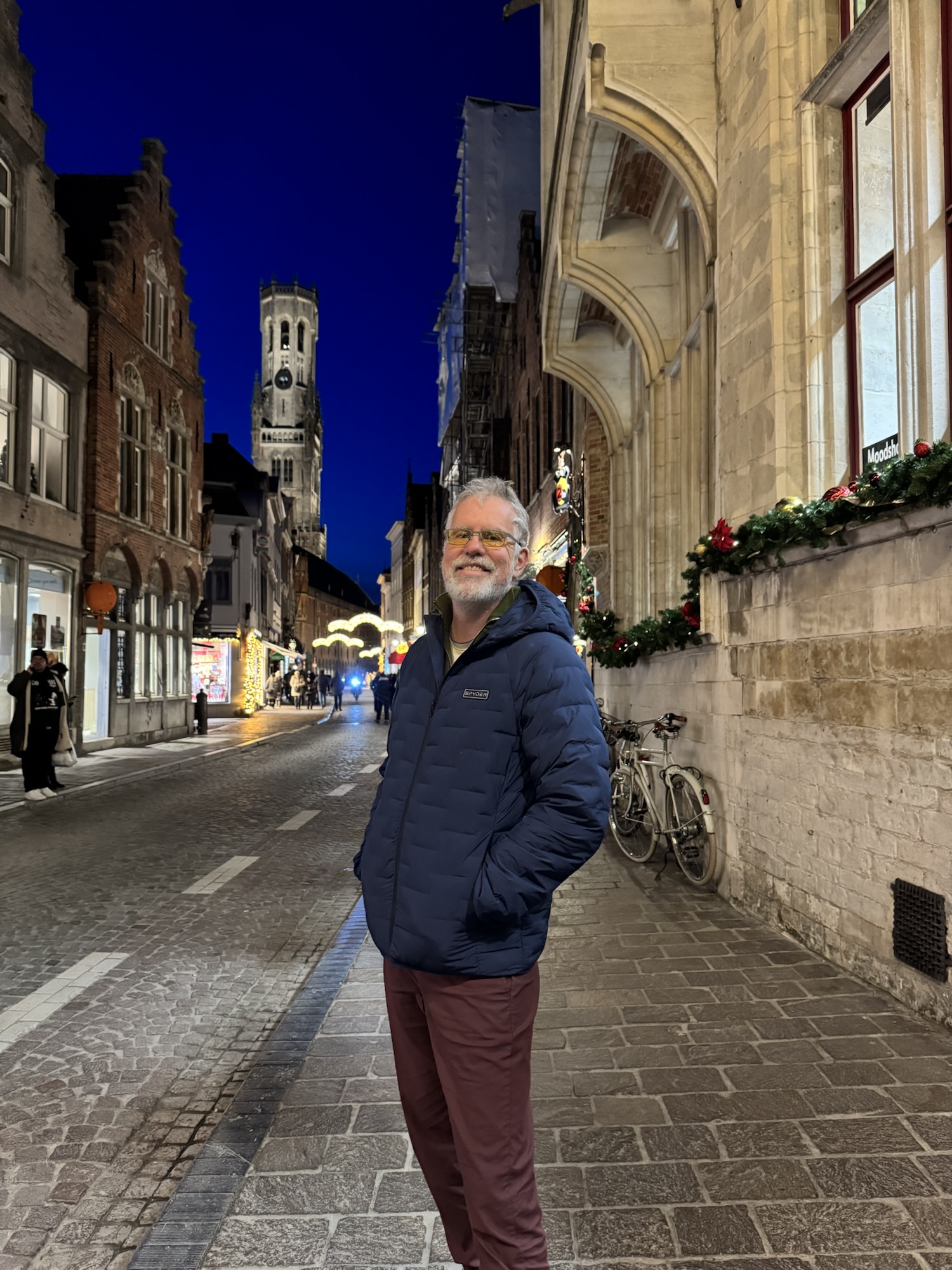
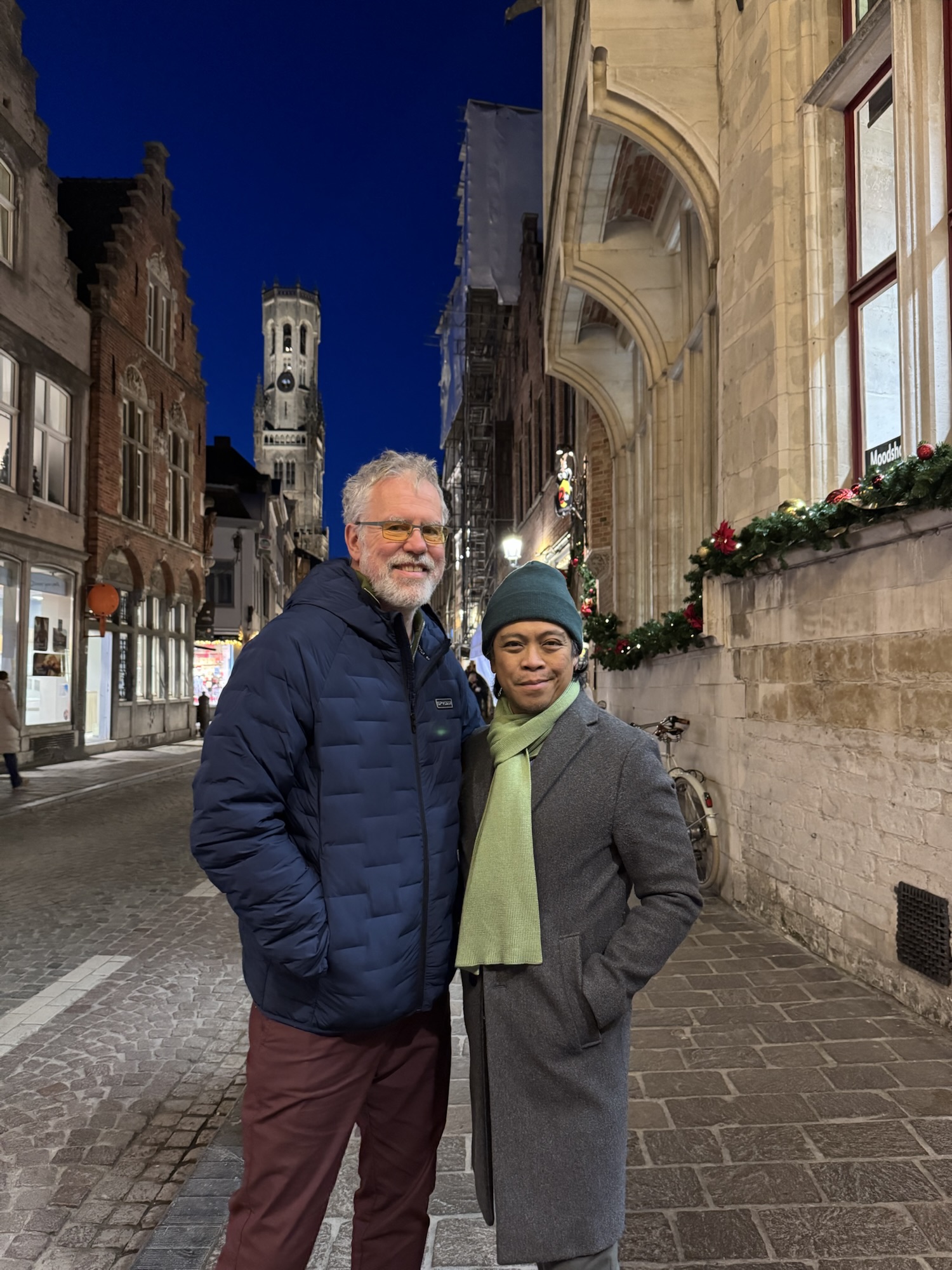
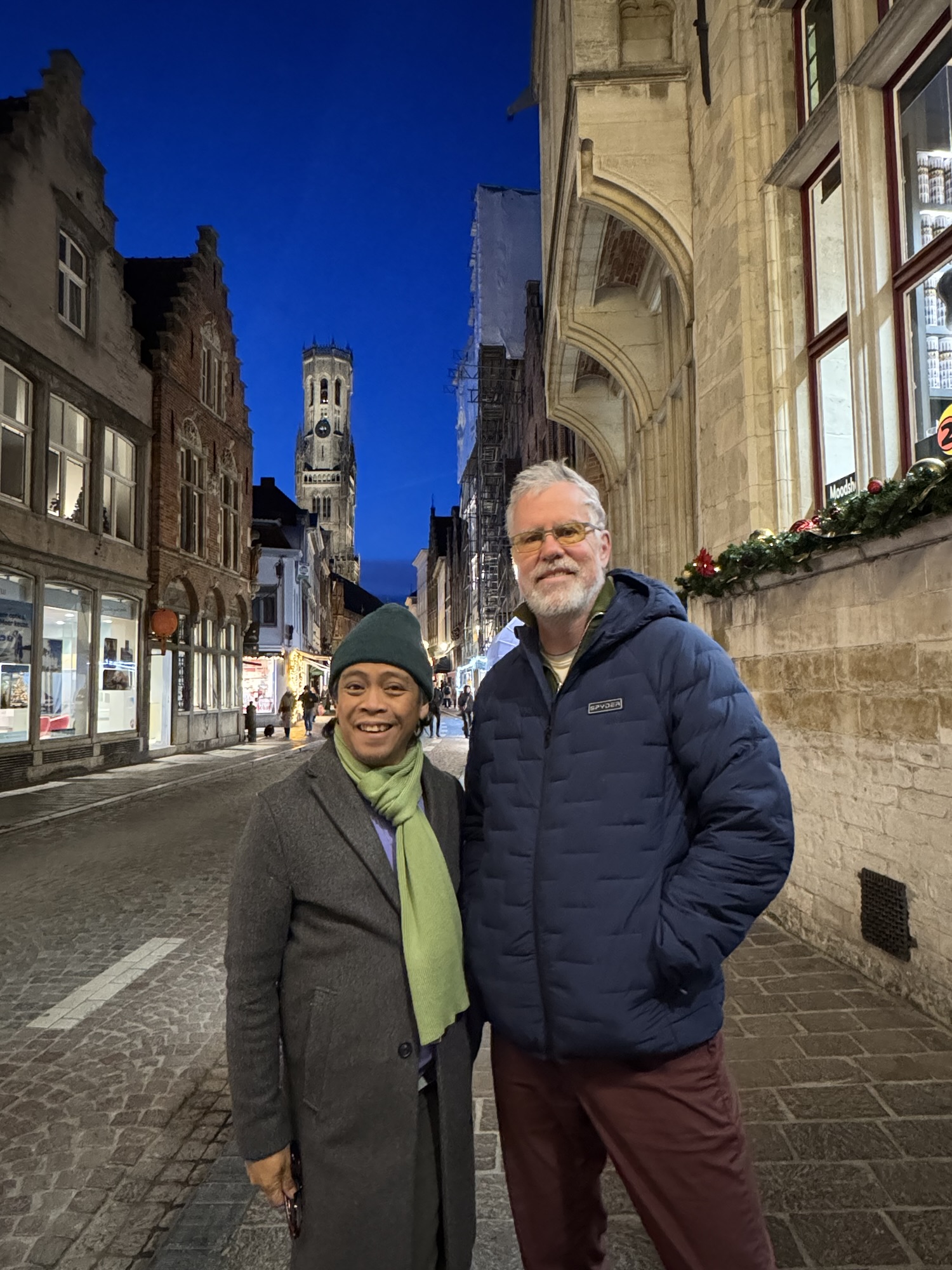
By the time we walked back to our hotel, our fingers were stiff from the cold, the tripod felt heavier, and our camera roll was full. But the city had given us something generous: space to slow down, to look closely, to be present.
Bruges doesn’t insist on being extraordinary.
It simply reveals itself—one gentle moment at a time.
A perfect cappuccino.
A walk at dusk.
A city that understands the value of blue light.

 Renato Gandia