
On reward, exhaustion, and choosing to stay
I’ve been a full-time writer for about three months now. By “full-time,” I mean I no longer have a full-time job—not because I chose some romantic leap of faith, but because I was laid off. The organization I worked for decided my contribution was no longer needed, and so I was discarded, along with a whole bunch of talented and passionate communicators. That’s the language of restructuring: impersonal, efficient, final.
What followed was not freedom so much as a reckoning. Time opened up, but so did anxiety. There is a particular exhaustion that comes with writing when writing is no longer something you do around a job, but something you must justify every day—financially, emotionally, existentially. When writing becomes the work, the romance thins out quickly.
I lost count of the rejection letters I received this year. Who’s counting anyway. Rejection is not the dramatic kind people imagine—no villain, no slammed door, no cruelty most of the time. It’s usually polite, efficient, and brief. Sometimes it’s even warm. But it accumulates. And because most literary journals, contests, and agents encounter you only in a ten-second window—your opening paragraph, your first page—that rejection can feel strangely intimate. Someone saw just enough of you to say no.
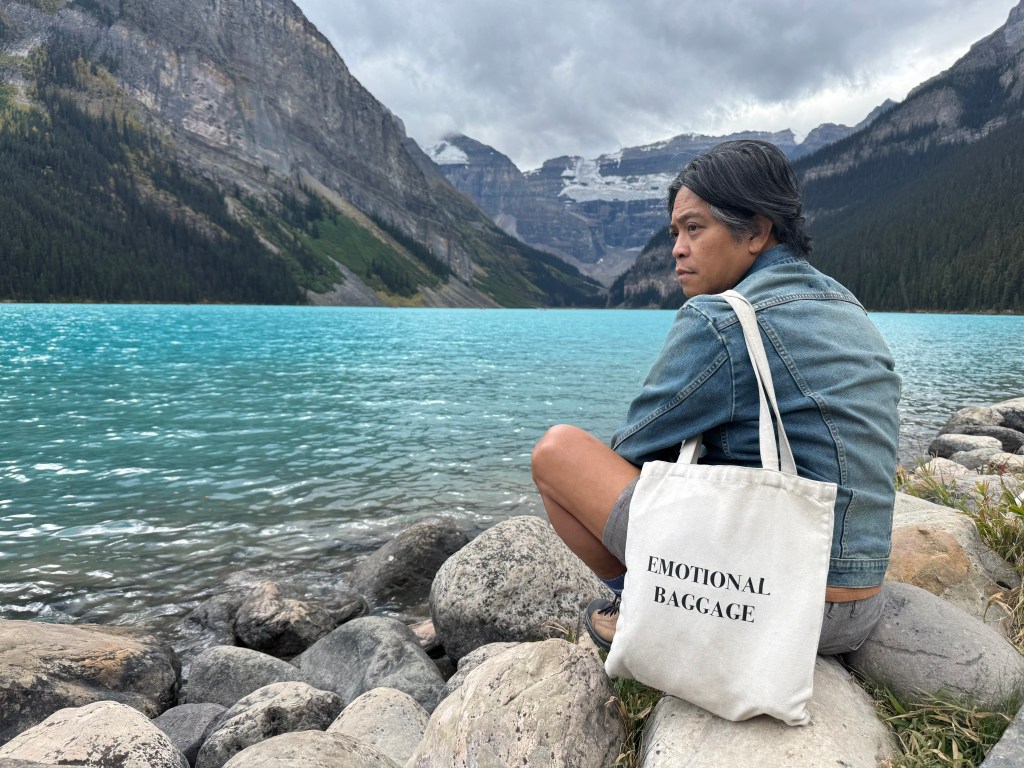
You tell yourself not to take it personally, because it isn’t. Editors and agents are not rejecting you; they are responding to a fragment of your work, filtered through taste, mandate, timing, and a hundred invisible pressures. Still, the body doesn’t always believe that logic. The body just knows it’s tired.
And yet you keep going. Not because it’s easy, or because the odds are good, but because at some point you decided to be a writer. That decision, once made, is stubborn. It doesn’t dissolve just because the world is indifferent.
This year, I had a literary agent request a full manuscript. That moment—when someone asks to see the whole thing—is its own kind of high. You let yourself imagine. You start thinking in conditional futures. In the end, I wasn’t signed. The agent didn’t connect with the story. Another agent read a few pages of the manuscript and later told me it wasn’t for her to advocate for, but thanked me for sharing the project with her. My consolation was that it wasn’t a form rejection. In this economy, even specificity can feel like a small mercy.
These moments sit in a strange emotional register. They are neither failures nor successes. They are almosts. And almosts are exhausting because they demand hope without resolution.
But the year wasn’t without its wins, and I want to name them clearly, because writers are notoriously bad at doing that.
Several short stories of mine were published this year.
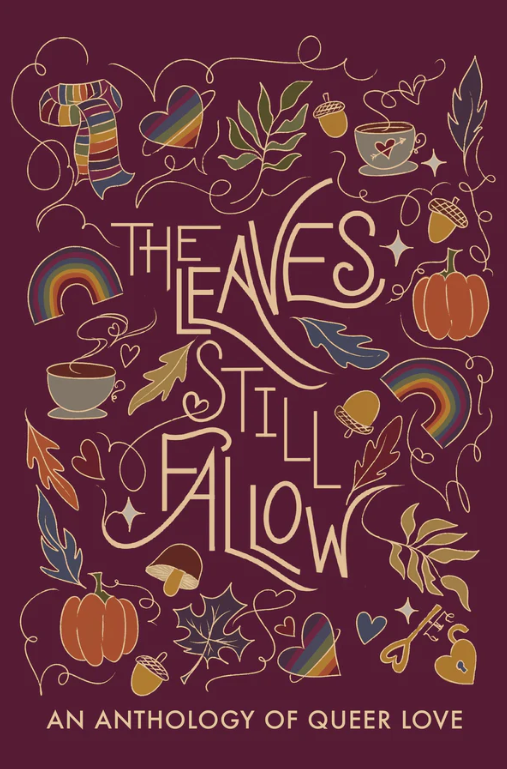
“The Hikers” appeared in The Leaves Still Fallow: An Anthology of Queer Love (Big Thinking Publishing, 2025), a collection that celebrates queer love in all its forms—romance, friendship, found family, and the quieter, everyday acts of care that hold us up. The anthology has an autumnal theme, which felt fitting: stories about tenderness, aging, and what we carry into colder seasons.
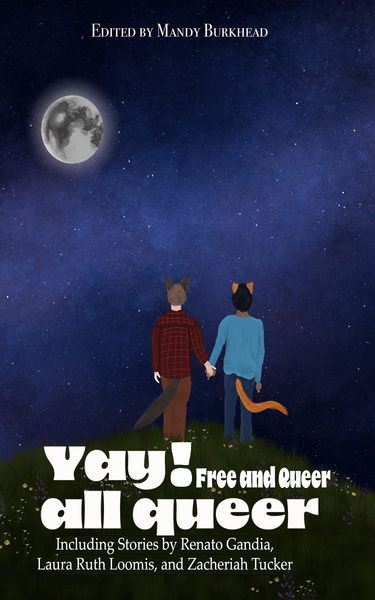
“The Librarian” was published in Yay! all queer: Free and Queer (Inkd Publishing, 2025). It’s a story about a trans Filipina caught in a case of mistaken identity, and about the particular pain of familial erasure—the way love can exist alongside refusal, and how silence can wound as deeply as cruelty.
“Unkind Smiles” appeared in ginger & smoke, a digital publication dedicated to reclaiming Filipino folklore, mythology, and fairy tales—retelling them with new fire while honouring their roots. The magazine thrives in the blurred space where fantasy and speculative fiction burn brightest, and this story allowed me to write back to inherited narratives with both affection and resistance.
I also received acceptances for work that will appear in the coming year.
“What the Wind Remembers” will be published in Beyond the Concert Hall (Laberinto Press, 2026). It’s a meditation on silence, sound, and the echoes of intergenerational trauma—on what lingers even when language fails.
“What You Don’t Burn” and “Wind Prophets” have been accepted for an upcoming issue of Milk Bag Magazine. Having two pieces taken together felt like an unexpected affirmation: that the voice I’ve been honing is, at least sometimes, being heard.
These are real accomplishments. I know that intellectually. But the emotional reality of being a writer is that wins rarely erase exhaustion; they merely punctuate it. Publication doesn’t end the cycle. It restarts it. You celebrate briefly, then you return to the blank page, the submissions spreadsheet, the waiting.
What makes this season particularly difficult is that writing is happening alongside grief—not just personal grief, but a quieter professional one. Losing a job reshapes your sense of worth in ways that linger. Even when you believe deeply in your work, you still live in a world that measures value in salaries, titles, and stability. Writing, especially literary writing, resists those metrics. It asks you to trust a slower economy of meaning.
Some days, I manage that trust. Other days, I don’t.
This isn’t about pity. It’s about witness—about saying, out loud, what the work asks of those who choose it.
What I’m learning—slowly, unevenly—is that being a full-time writer is less about output than endurance. It’s about showing up when there is no immediate reward. It’s about holding rejection and affirmation in the same hand without letting either define you entirely. It’s about accepting that exhaustion doesn’t mean you’re failing; it often means you’re paying attention.
I don’t know what the next year will bring. I don’t know which projects will land, which will stall, which will quietly die in folders on my hard drive. What I do know is this: I am still writing. I am still sending the work out. I am still choosing, every day, to stay with the page.
That choice may not look glamorous from the outside. But it is work. And for now, it is the work I know how to do.

 Renato Gandia