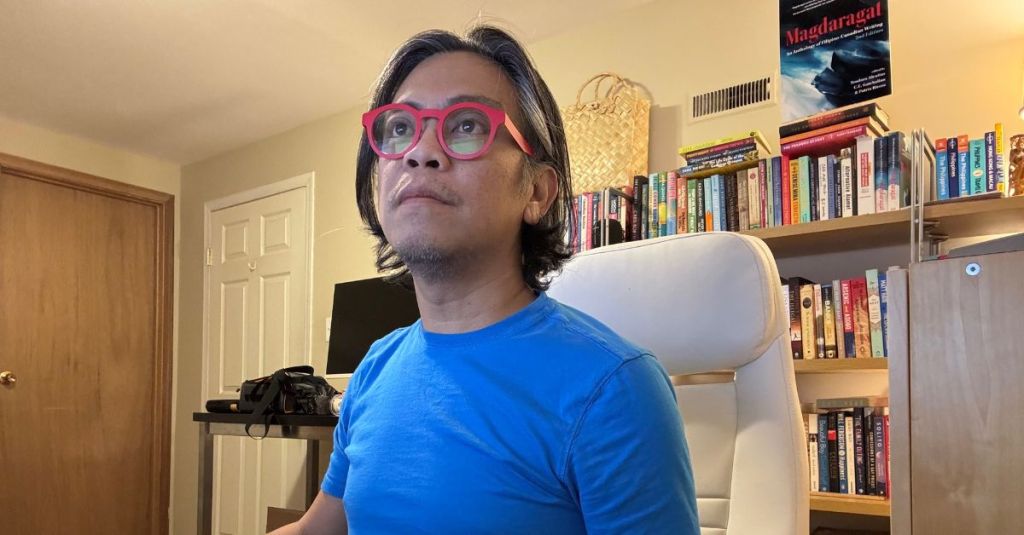
I’ve been a full-time writer for a few months now, and I still hesitate to say it out loud.
Not because it isn’t true, but because the phrase comes loaded with assumptions I don’t recognize as mine: freedom, abundance, clarity, discipline perfected at last. It suggests a clean break, a decisive crossing from one life into another. That hasn’t been my experience. What I’ve stepped into feels less like arrival and more like exposure.
Being a full-time writer does not mean I write all day. Some days I do, but more often the work is scattered—an hour here, a paragraph there, a sentence revised three times before lunch and abandoned by dinner. Writing, when it’s honest, resists the eight-hour block. It prefers the margins. It happens while the kettle boils, while the light changes, while something unresolved presses on the body.
It also does not mean financial ease. I don’t say that as complaint, only as fact. The romance of the writing life tends to skip over the spreadsheets, the contracts, the waiting. It skips over the odd hours spent refreshing email, the careful calculation of what can wait another month. Writing full-time means learning how to live alongside uncertainty without turning it into drama—or pretending it’s noble suffering.
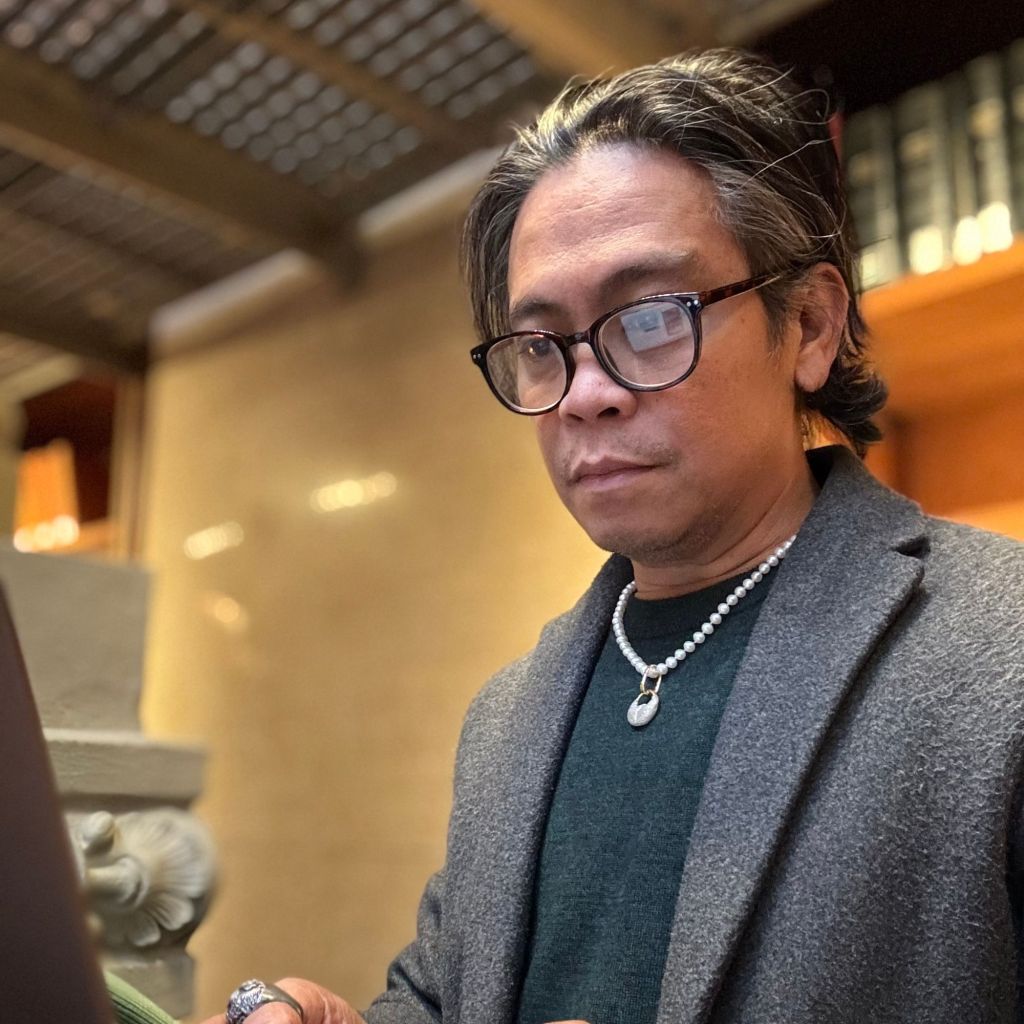
What surprised me most is how much time is spent not writing but preparing to write. Reading. Walking. Sitting with a paragraph that refuses to move. Letting a memory surface slowly instead of yanking it into shape. When I worked full-time in other jobs, writing felt like something I stole back from the day. Now it asks to be met on its own terms, which is both gentler and more demanding.
There’s also the emotional exposure. When writing is no longer something you do after work, it becomes harder to hide behind productivity. If I don’t write, there’s no boss to blame, no meeting that ran long. There’s only the question I keep circling: What am I avoiding? Sometimes the answer is fatigue. Sometimes fear. Sometimes a truth I’m not ready to put into language yet.
I’ve learned that being a full-time writer doesn’t make doubt disappear; it gives doubt more room to speak. Every unfinished piece feels louder. Every rejection feels more personal. And yet—oddly—every small acceptance, every kind note from an editor, every moment when a sentence finally lands carries more weight too. The stakes are closer to the skin.
What I value most is not the time, but the attention. Full-time writing has sharpened how I notice things: the way silence sits in a room, how certain memories arrive without invitation, how hunger—literal or otherwise—shapes a day. I’m less interested now in producing constantly and more interested in staying receptive. That feels like the real work.
I don’t wake up every morning grateful. Some days I miss the structure of employment, the external validation, the reliable rhythm of a pay period. Other days I feel deeply lucky to be allowed this slower, more uncertain way of moving through the world. Both feelings can exist without canceling each other out.

If there’s one thing I’ve stopped doing, it’s narrating this life as a transformation story. I didn’t become a new person when I became a full-time writer. I brought the same questions, the same histories, the same hesitations with me. The difference is that now, there’s less distraction between me and them.
Being a full-time writer, for me, is not about claiming an identity. It’s about making a commitment—to show up, to pay attention, to keep working even when the work feels fragile or slow. It’s about trusting that writing doesn’t always announce its value right away.
I don’t know what the next year holds, and I’m resisting the urge to frame this moment as a beginning or an ending. What I know is simpler: this is the work I’m doing now, and I’m doing it as honestly as I can. For the moment, that feels like enough.

 Renato Gandia