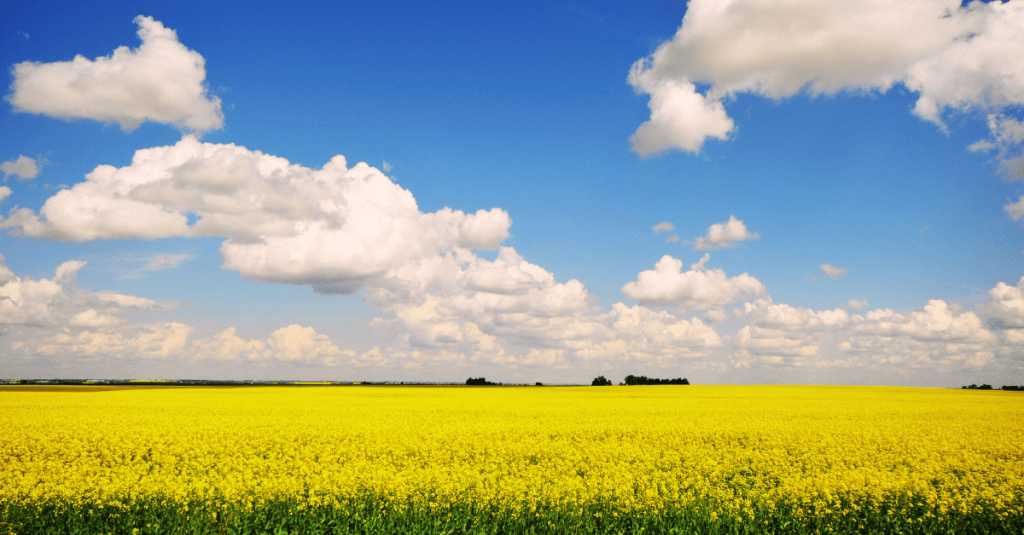
In summer, Central Alberta shimmers gold. Canola bursts into bloom—endless waves of yellow beneath a sky so wide it swallows thought. Wheat ripples like water in the wind, each stalk bowing as though in quiet prayer. Mornings feel like benedictions, the horizon promising belonging to anyone who dares to stay.
I wanted to believe that promise.
Fresh from a master’s in theology, I still carried the weight of unanswered prayers about vocation. I thought I’d serve in ministry, but the call that echoed loudest was storytelling. So, I came here—to this quiet town in Central Alberta—to begin again as a journalist, searching for truth in headlines instead of homilies.
Before I found my footing, a family I’d met years earlier—a kind Caucasian couple—offered me shelter. They welcomed me into their home, rent free, until I could stand on my own. Their generosity was a soft landing, proof that kindness could take root in unfamiliar soil. In the evenings, we shared meals and laughter. For a time, I felt less like a stranger.
Still, the world beyond their door told a different story.
Even my name seemed foreign. I thought Renato was simple enough, but here it became other things—Renaldo, Renalto, Bernardo once. People squinted at it on paper, unsure how to say it, their tongues turning it into something they recognized.
At first, I corrected them softly.
“It’s Re-na-to.”
They nodded, tried again, then forgot. Soon I stopped insisting. It was easier to let them rename me than to repeat myself. Yet each misstep felt like a small theft—another way of being almost known but never truly seen.
Then one afternoon, a colleague told me someone had asked about me. Not who I was, but what.
“Is he a Paki?”
The word landed like a pebble in still water, rippling through everything I thought I’d done to belong. I laughed, though my chest tightened.
“Next time somebody asks,” I said, “tell them I’m half Italian.”
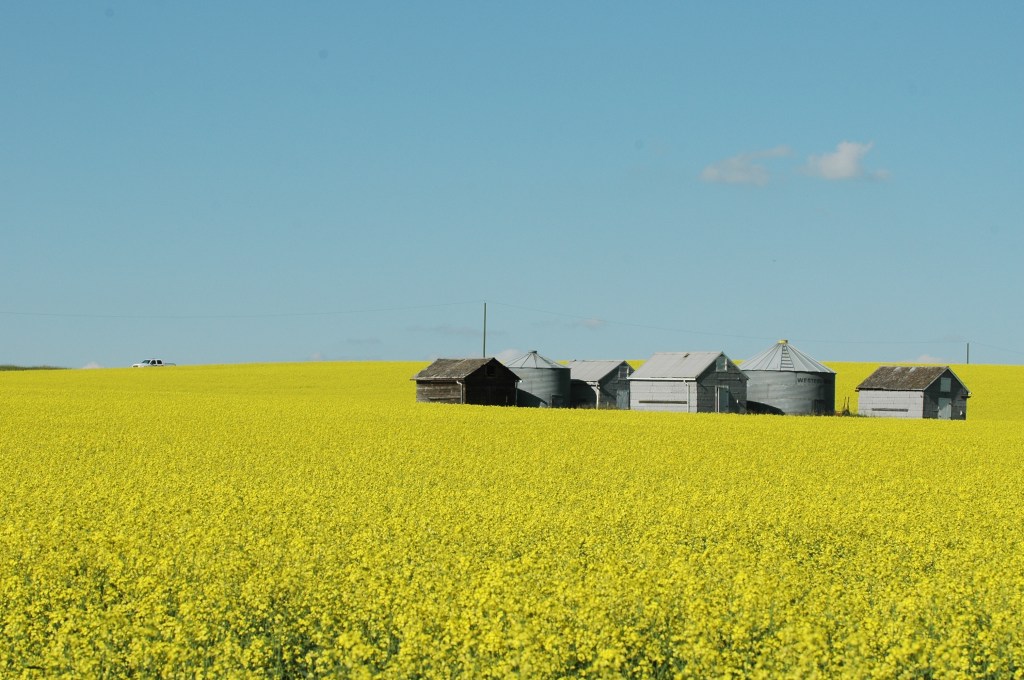
A joke, a shield. Easier than showing the bruise. But the question lodged deep—a reminder of how people choose what they want to see. It hurt, yet it also revealed what I was called to do.
Life here moved with the seasons. Summer skies lingered past ten. I walked gravel roads at dusk, the air thick with cut hay. On Sundays, I moved through quiet grocery aisles, receiving polite nods from people who remembered my face but not my name. I smiled back, careful, always balancing friendliness with foreignness.
Then, the Tim Hortons opened.
It was a small thing, another chain in a small rural community, but it changed the town. More Filipinos arrived—new faces behind the counter, their voices carrying the cadence of home. For the first time, I heard Tagalog between the cash register beeps, saw familiar smiles in a place that smelled of coffee and sugar.
But as the numbers grew, so did the assumptions.
One day, someone asked, almost cheerfully, if I was going to apply there too.
“That’s where your people work, right?”
They said it without malice, as if stating a fact, unaware of the sting beneath the words.
I laughed again—what else was there to do? I had a full-time job, a degree, a life beyond the counter—but none of that mattered. To them, I was a category, not a story.
In the solitude of those prairie evenings, I returned to questions I thought I’d left behind.
What does it mean to serve? Where does one find grace when the world misnames you—not only your name, but your being?
I’d imagined ministry behind a pulpit, scripture as compass. But here, amid mispronounced syllables and polite distances, I saw another kind of calling—faith as endurance. To stay gentle when misread. To offer truth when others prefer assumption. To meet ignorance with compassion without surrendering dignity.
Journalism, I realized, wasn’t a departure from ministry but an extension of it—a way of witnessing. Each story I wrote was an act of reverence, a chance to show the fullness of lives too easily flattened.
Some nights, I stepped outside to watch the horizon fade into indigo. The sky stretched infinite, but the ache inside was just as wide. Alberta had taught me that grace and prejudice could share the same street, the same smile, the same silence.
I stayed anyway. Because somewhere in that tension—in the beauty that did not always see me—I was learning how to belong without permission.
Years later, when I think of this town, I remember the light first: how it poured across the fields in late summer, gold spilling like a blessing that asked for nothing in return. The canola still blooms without hesitation; the wheat still bends with the wind. The land remains generous, even when its people forget how to be.
I no longer live there, but part of me never left—the part that learned to hold gratitude and grief in the same breath. The part that found peace not in defiance but in devotion: to truth, to kindness, to the quiet dignity of naming oneself.
Renato.
I say it slowly now—certain, unyielding. It carries the music of where I come from, the salt and sun of the islands that shaped me. No one gets to rename that—or decide what I am.
Because even here, in fields that once misread me, I have written myself into the light.
Years later, I watch the news and hear familiar language return.
Hospitals overwhelmed.
Housing scarce.
Infrastructure strained.
And again, immigration is offered as the explanation. As if growth were an accident, not a policy choice. As if labour shortages had not once justified our recruitment.
It is strange to feel history echo like this — to know how easily a person can move from “essential worker” to “system pressure” depending on the political season.
What governments describe as numbers are lives. We are not abstractions. We are not policy overflow. We are the nurses in those hospitals, the construction workers building those homes, the care aides holding the hands of aging Albertans.
When provincial leaders frame population growth as the primary reason for overwhelmed systems, they are asking citizens to look at newcomers instead of at budgets, planning decisions, or delayed infrastructure investments.
I have been misnamed before.
I recognize the pattern.
And I refuse to let it go unnamed.
A version of this essay originally appeared in The Lupa Newsletter on October 14, 2026.

 Renato Gandia