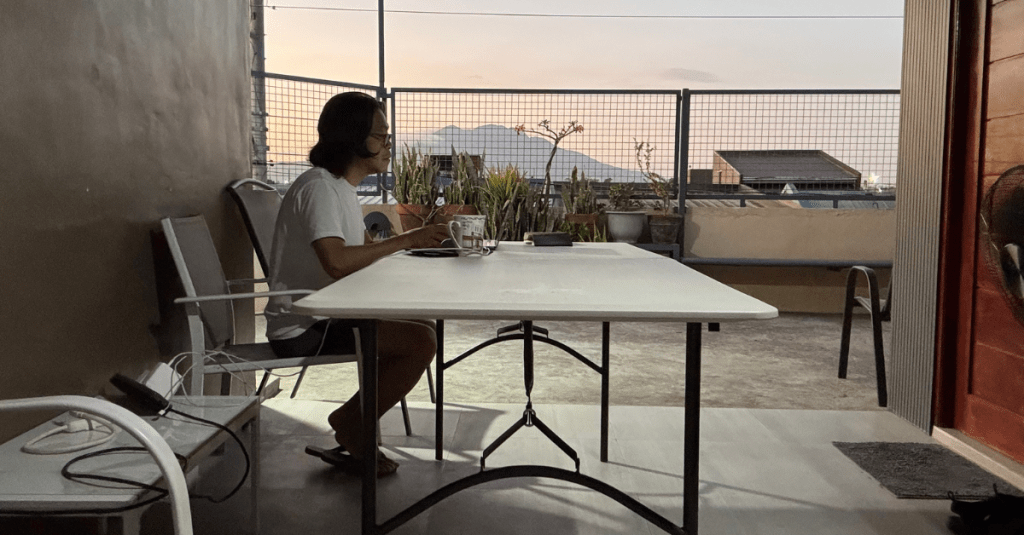
At three in the morning, the body does not ask permission. It wakes.
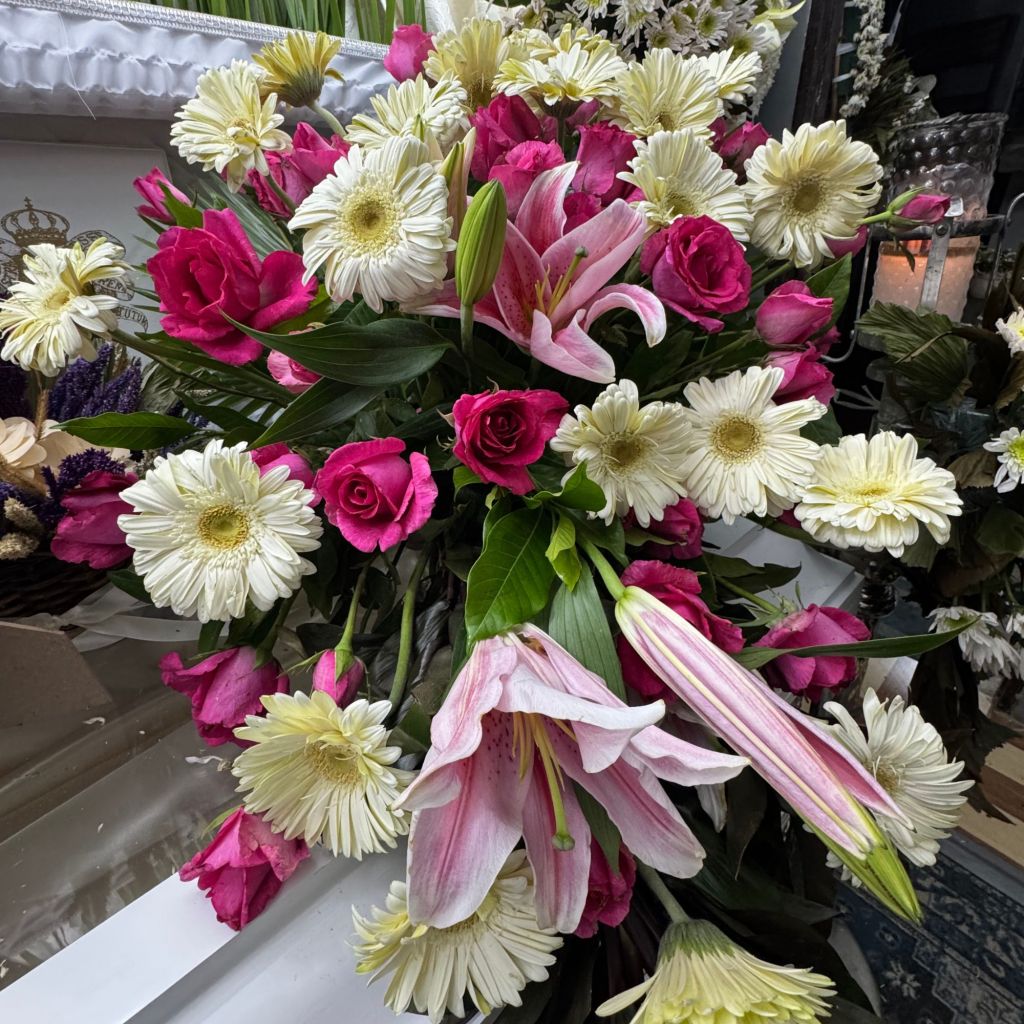
In the days of the wake, this made sense. There was a schedule to grief then, a structure imposed by ritual. I would rise at 2:30 a.m., wash my face in the quiet, and sit beside my mother’s coffin in the living room, surrounded by flowers for the dead. The house was fully lit—extra lights brought in for the wake, bright and unyielding, illuminating everything. There were no shadows to retreat into. Grief, it seemed, was not meant to be private.
At that hour, the neighbourhood held its breath. Tricycles were gone, roosters not yet convinced of morning, even the stray dogs subdued.
I was not alone, though it often felt that way. Someone always had the shift before or after me. An aunt, a niece, one of my sisters. We did not talk much. There was nothing to say that had not already been said in other forms—through food passed hand to hand, through the careful arrangement of flowers, through the simple act of showing up and staying.
Now the wake is over. The house has emptied. The chairs have been stacked and returned. The borrowed electric fans are gone. But my body still wakes at three.
There is no coffin now. No one to relieve, no shift to take over. Just the same hour, arriving without instruction.
So I write.
For two hours, sometimes less, sometimes more. The words come unevenly. I am not writing about her—not yet. I circle other things. A sentence about the street outside. A paragraph about the way light falls on the tiled floor. Notes that feel provisional, as if they are waiting for something braver to arrive.
By five, the sky begins to loosen. The darkness thins without fully lifting. This is when I leave the house.
The pandesalan is already open, its trays of pandesal fresh from the oven.
There is no line at this hour. The exchange is brief, almost wordless. A nod, a count, the soft thud of paper bags being filled.
I buy more than I need.
It is not hunger that brings me there. It is something else, something closer to habit than decision. The body, again, moving ahead of understanding.
I walk first to where my father stays.
It is not a house, not in the way the word usually holds. A makeshift shelter on the property—temporary materials arranged into something that keeps out the sun, the rain, enough of the night. He is still asleep when I arrive. I leave the pandesal where he will see it when he wakes. There is no need to knock, no need to wake him. This, too, is understood.
From there, I go to the house my mother lived in.
It has been divided and divided again—partitions set up to make space for five families, my siblings and their children, each carving out a life within the same structure. At this hour, they are all still asleep. The rooms are quiet behind thin walls. Electric fans hum. Someone turns in their sleep. A child murmurs and settles again.
I do not go in.
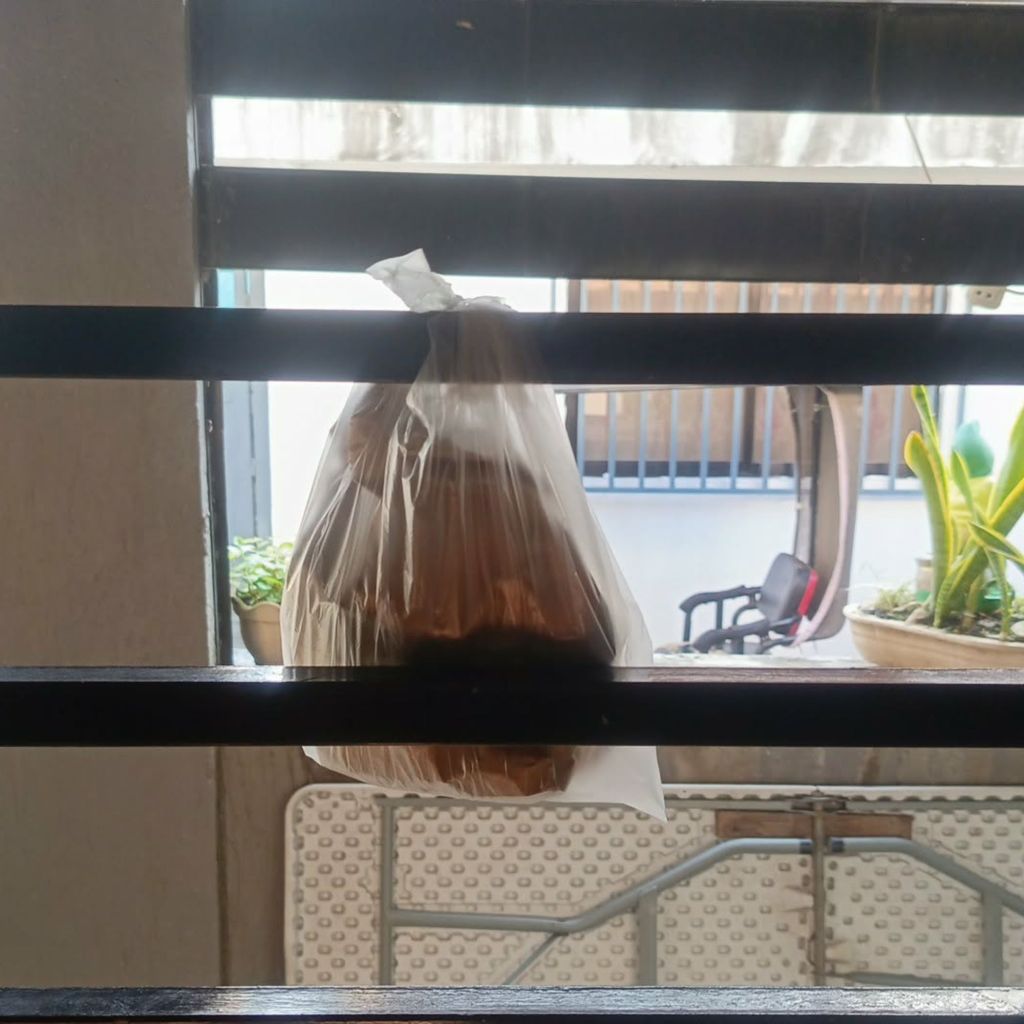
Instead, I tie the bag of pandesal to the metal grills of the doors—one for each household. A small knot, secure enough to hold, loose enough to untie without effort. Something waiting for them when they wake.
No one sees me arrive. No one sees me leave.
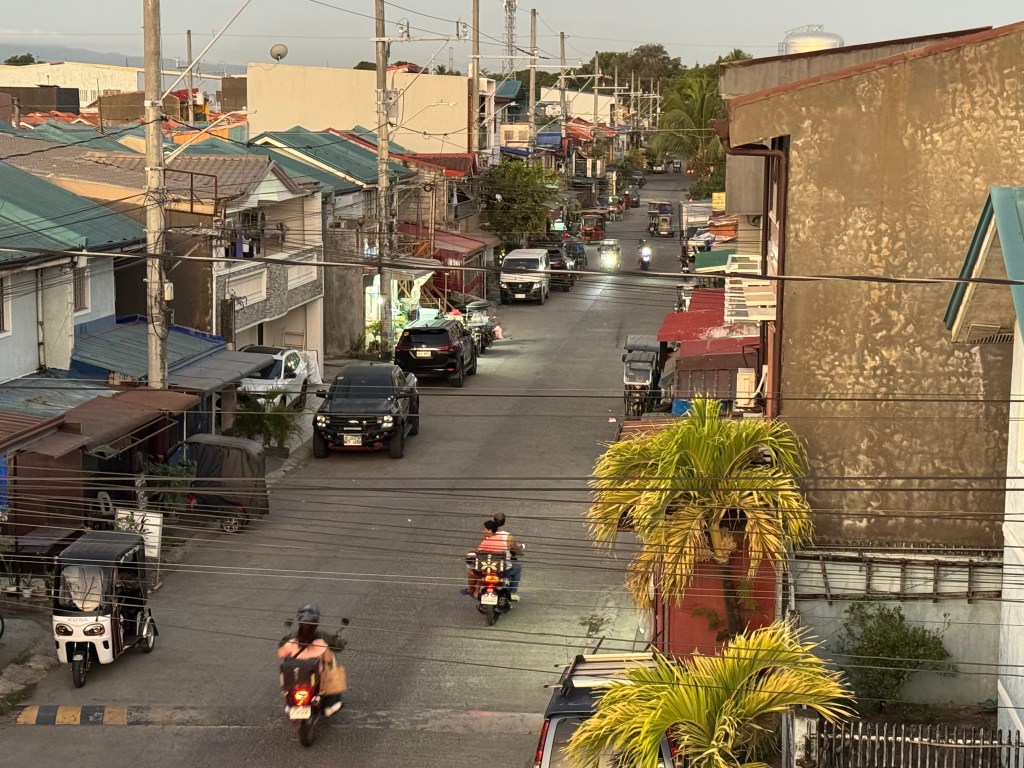
By the time I step back onto the street, the neighbourhood is beginning to wake in earnest. This subdivision, filled with families from Calauag, carries something of my hometown in it. Tricycles pass more frequently. Radios turn on. Someone sweeps their yard with long, patient strokes. The day assembles itself piece by piece, as it always does.
It would be easy to say that this is how we cope, that these small acts stand in for the things we cannot yet name. But that feels too deliberate, too neat.
This is not substitution. It is not metaphor.
This is simply what we do.
We wake when our bodies tell us to wake. We sit when sitting is required. We leave when there is somewhere to go. We buy bread we do not need and leave it where it will be found. We place things in each other’s paths—food, cups of coffee, folded laundry—as if the act itself were a language we have agreed upon without ever discussing its grammar.
Perhaps, in time, the words will come. They always do, eventually, though not always in the forms we expect.
But for now, there is this:
The brightness that refused shadows.
The warmth of bread through paper.
A small knot at a doorway, waiting to be untied.
And the understanding—unspoken, but shared—that this is enough.

 Renato Gandia