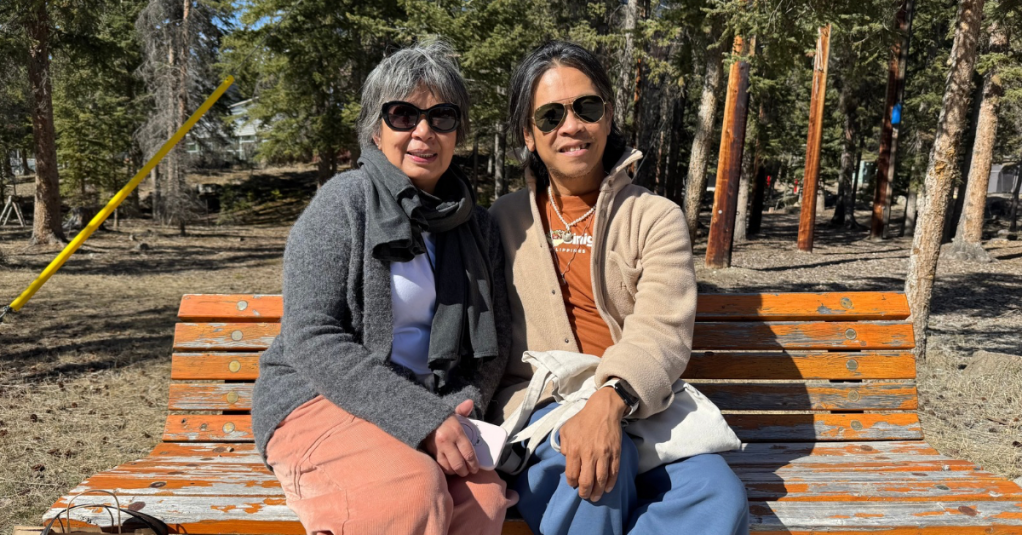
It was a warm day in Banff, the kind that feels briefly out of season, as if winter had stepped aside without fully leaving. People lingered outside a little longer than usual. Conversations stretched.
I was visiting my friend Grace Sanchez MacCall, who’s currently doing a writing residency at the Banff Centre for Arts and Creativity. She introduced me to one of her cohorts, who asked me if I were an artist.
It was a simple question, the kind that expects a simple answer. I hesitated, just long enough to choose a word that felt safe.
I said I was a writer.
Grace stepped in before I could say anything more. She introduced me again, this time differently—more fully than I would have allowed. She spoke of the poems, the shortlistings, the recent win, offering the details I had left out as if they belonged naturally to the sentence.
I felt, in that moment, both grateful and exposed.
“Writers are so bad at talking about themselves,” the cohort said. “They need to bring a friend to talk them up.”
We all had a good laugh.
Grace has been—a steady and generous presence—sharing what she has learned from her own mentors, offering small, practical insights about the writing life that feel, somehow, larger than they first appear. There is a way she moves through these conversations that is both grounded and open, showing how the work matters deeply, but not at the expense of kindness.
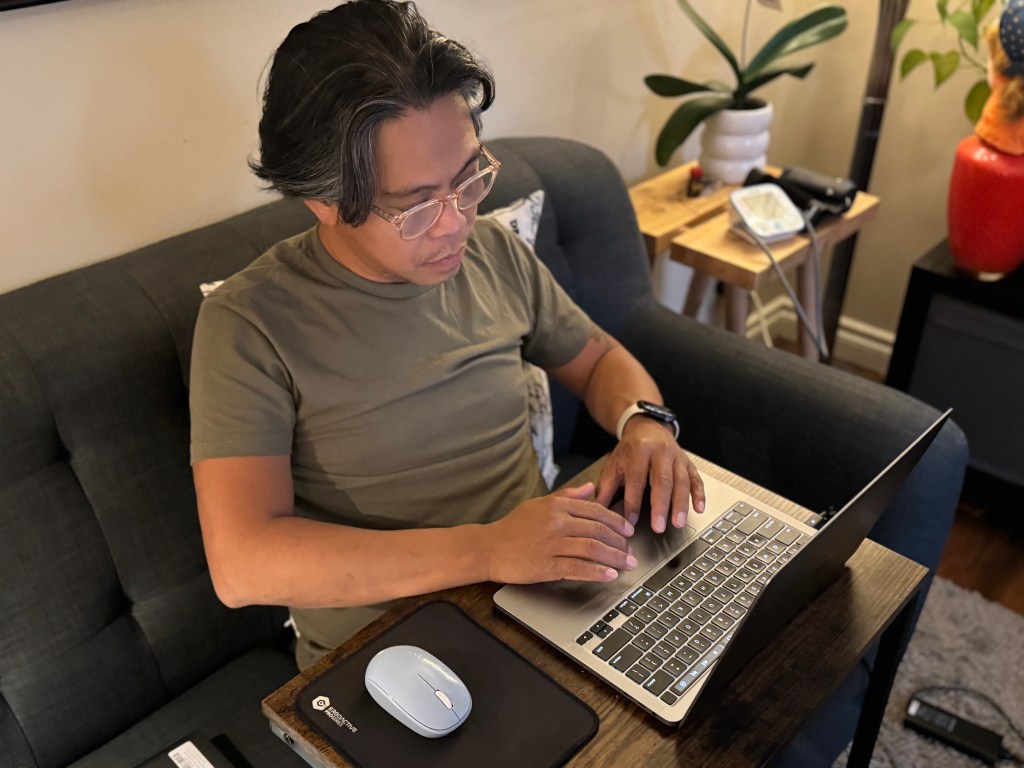
In the span of a few months, three of my pieces have been shortlisted for literary contests. One of them won. This is the kind of sentence that should be easy to say. It is factual, verifiable, even modest in its scope. And yet, I have found myself circling around it in conversation, offering it indirectly or not at all, as if the act of stating it plainly might alter its meaning.
I have not known how to talk about it.
Part of it is habit. I was not raised to draw attention to myself in this way. There is, in the background of how I speak, a quiet calibration—how much is enough, how much is too much, where pride begins to resemble something else. It is easier to say less. To let the work exist without explanation. To hope it finds its way without being named.
But writing, I am beginning to understand, does not end on the page.
There is the work itself, and then there is the telling of it—the brief biography, the introduction, the answer to a question asked in good faith. What do you do? What have you written? What has happened recently?
These are not difficult questions. But they require a different kind of language. Not the language of observation or interiority, but of summary. Of selection. Of choosing which facts to place forward and which to leave behind. It asks for a clarity that feels, at times, uncomfortably close to performance.
So, I soften it. I abbreviate. I say writer, and leave it there.
It is not untrue. But it is not the whole truth either.
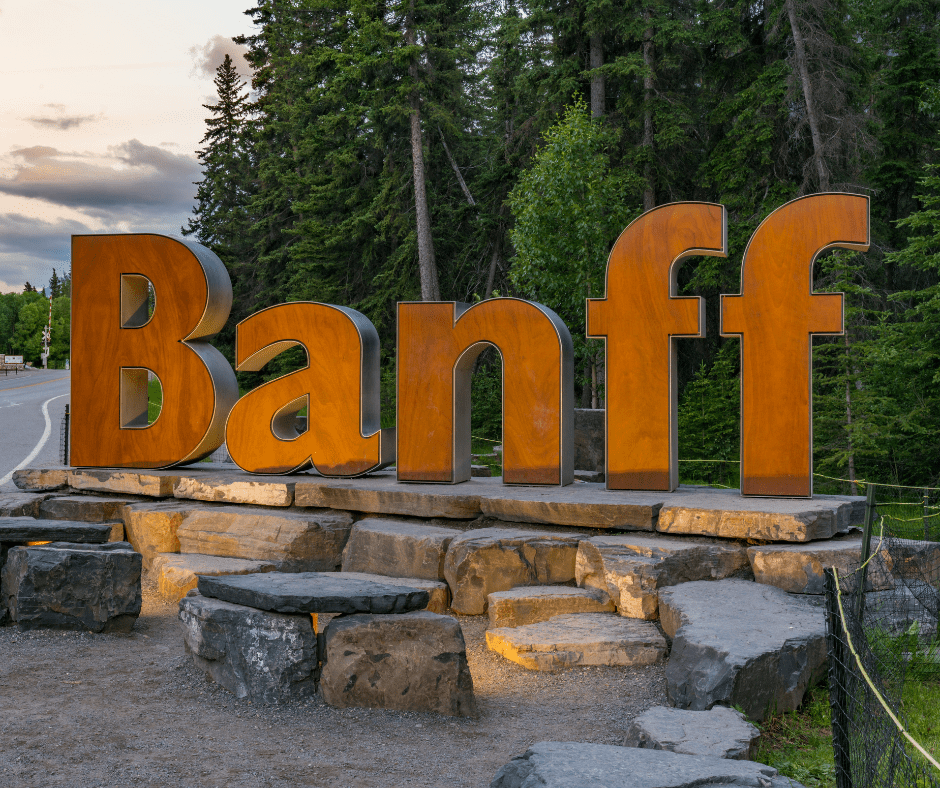
What struck me most in that moment in Banff was not simply that Grace spoke on my behalf, but that she did so without hesitation. The details I had carefully set aside—out of caution, or modesty, or uncertainty—were, to her, just part of the story. Nothing excessive. Nothing to apologize for.
It made me wonder what is lost in the space between what we have done and what we are willing to say aloud.
There is a particular solitude in carrying good news quietly. It alters something in the way a day unfolds, even if nothing outwardly changes. A private knowledge, held just beneath the surface. Not hidden exactly, but not offered either.
Perhaps this is what her cohort meant. Not that writers are incapable of speaking about themselves, but that we are practiced in restraint. We know how to hold back. We understand the weight of words, and so we choose them carefully, sometimes to the point of absence.
And so, it takes another voice, sometimes, to bridge that gap. Someone to say the sentence in full, without trimming it down to something more manageable.
I am learning, slowly, to do this for myself.
Not all at once. Not without hesitation.
But enough, perhaps, to let the sentence stand.

 Renato Gandia