Hours before the reading, my stomach wouldn’t settle. I had rehearsed the poems until the words were smooth as river stones, and still my body didn’t believe me.
Then they called my name, and something steadied.
I had chosen the bookends of my collection: “When They Ask Who I Live With” and “Citizenship Ceremony.” One is about the person I share my life with. The other is about standing in a room and being told, at last, that you belong.
I read from white sheets of paper. My hands rested on the podium and, to my surprise, they held, and even my voice held, too.
In front of me, the hall at the Royal Conservatory of Music opened—gilded, hushed, full of strangers leaning slightly forward. I read into that beautiful room.
Then I sat down, and the waiting began.
When the RBC executive stepped to the microphone to announce the winner, I watched her mouth. I heard my name come out of it.
And I did nothing.
I simply stared at her, as if she had made an error I was too polite to correct.
The seconds stretched.
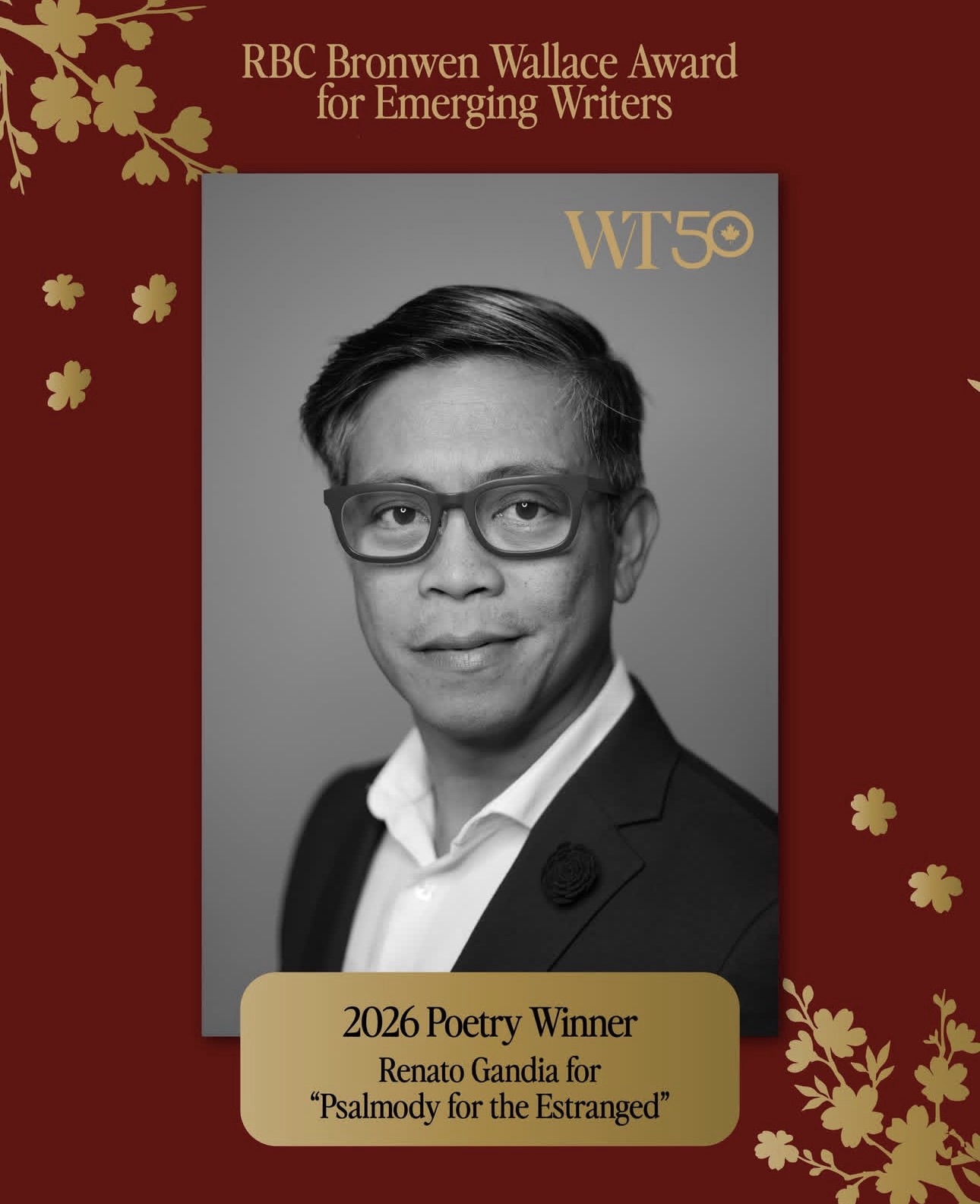
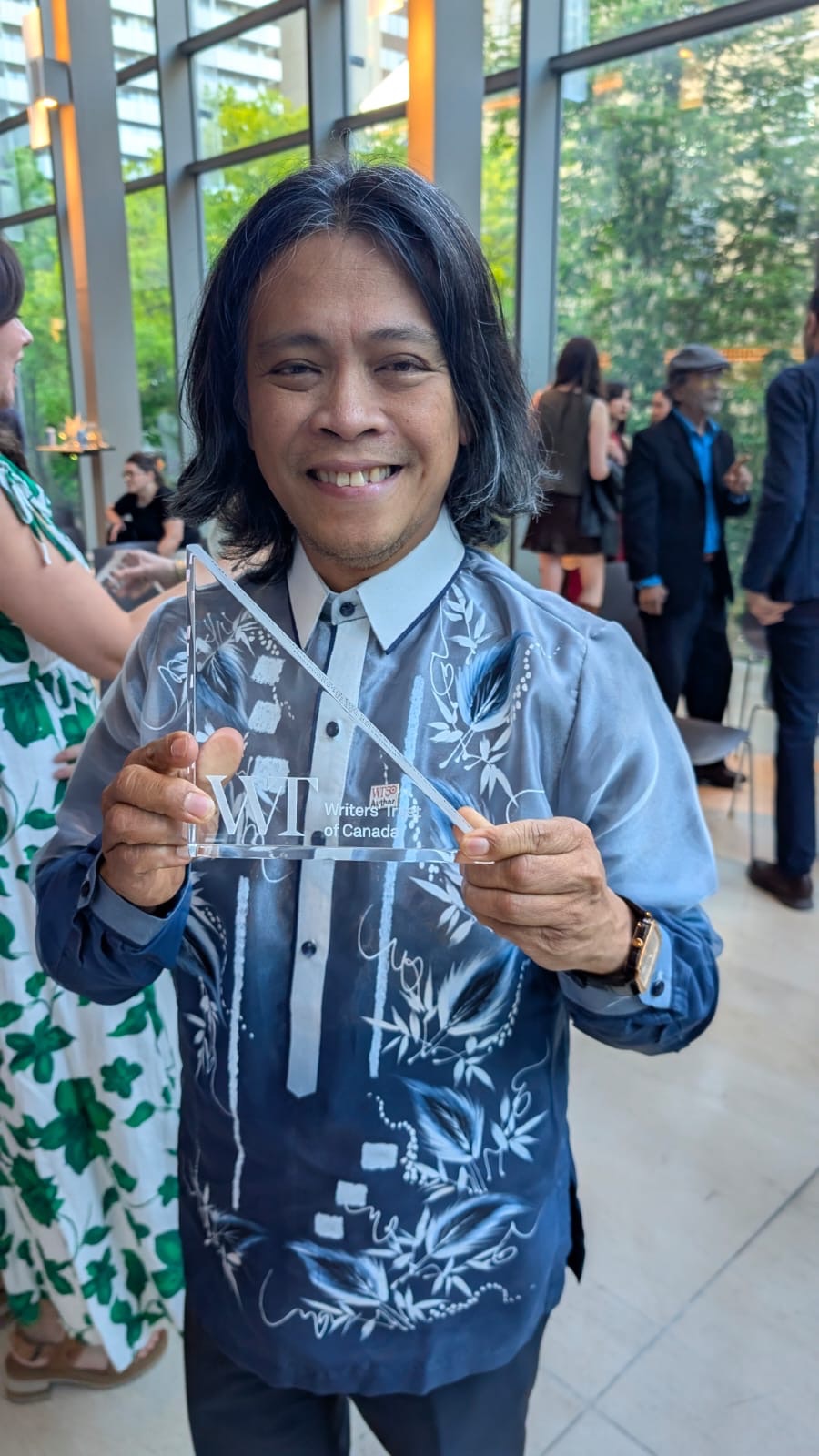
It was the people around me—nudging, laughing, go, get up—who finally moved me out of my chair. I rose. I walked.
I kept saying the only words my body could find: Oh my God. Oh my God.
I don’t remember the walk to the stage as walking. I remember it as floating through air gone suddenly thick.
What I remember more clearly is what came after, when the formal part dissolved into people.
Strangers approached me—writers, agents, publishers—and looked me in the eye to tell me the poems had spoken to them. Some said they had cried while I read.
I had stood up there certain I was alone with my white sheets of paper, and it turned out I had not been alone at all.
And then there were my own.
Jennilee Austria-Bonifacio, a Toronto-based author, moved through the night like she had appointed herself its keeper—recording my speech, lifting her phone to catch what was happening at the edges of the room, the parts I was too dazed to see. She was like the sister or cousin I wished was there. You have to meet this person, who wrote Reuniting with Strangers.
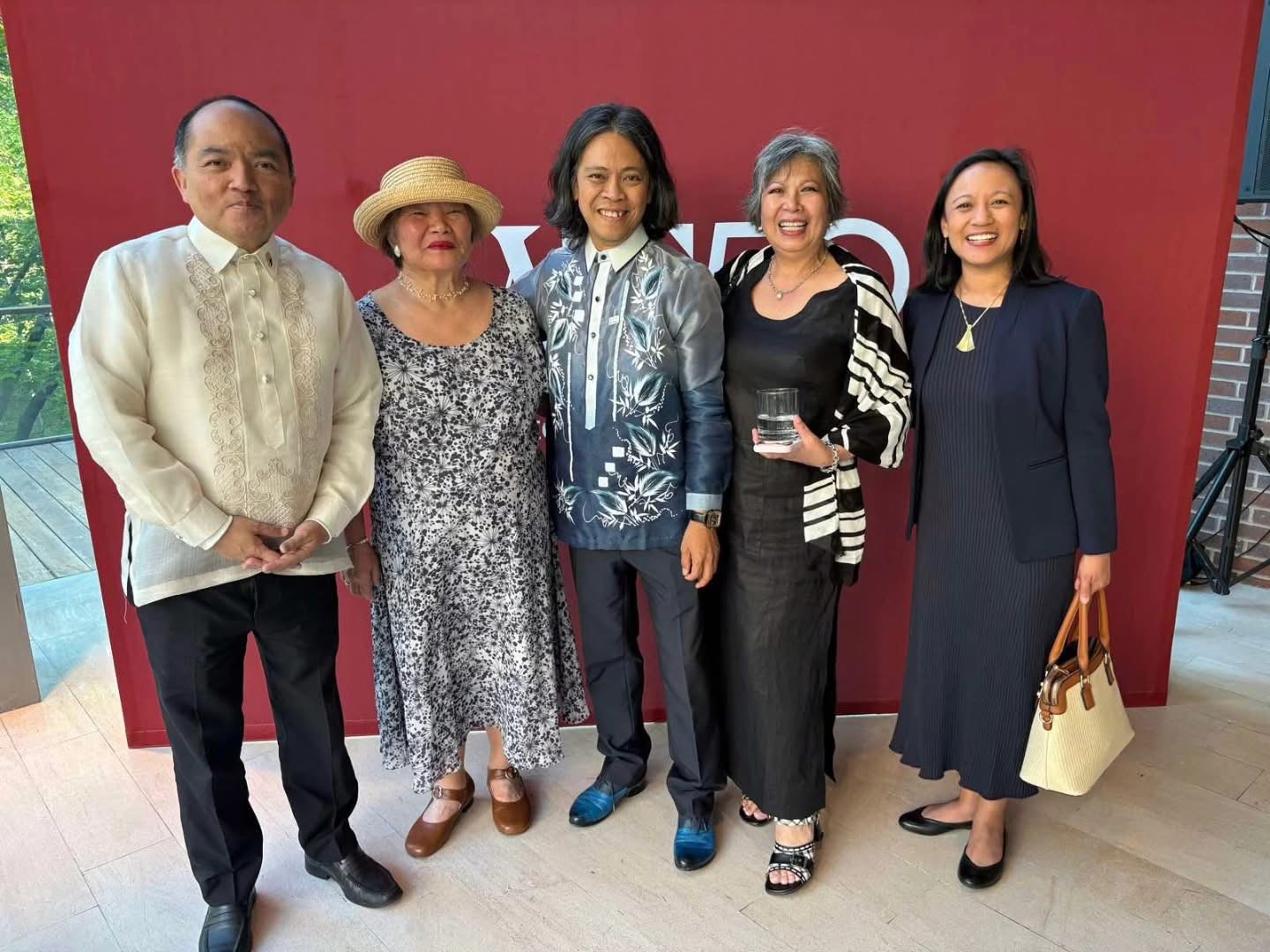
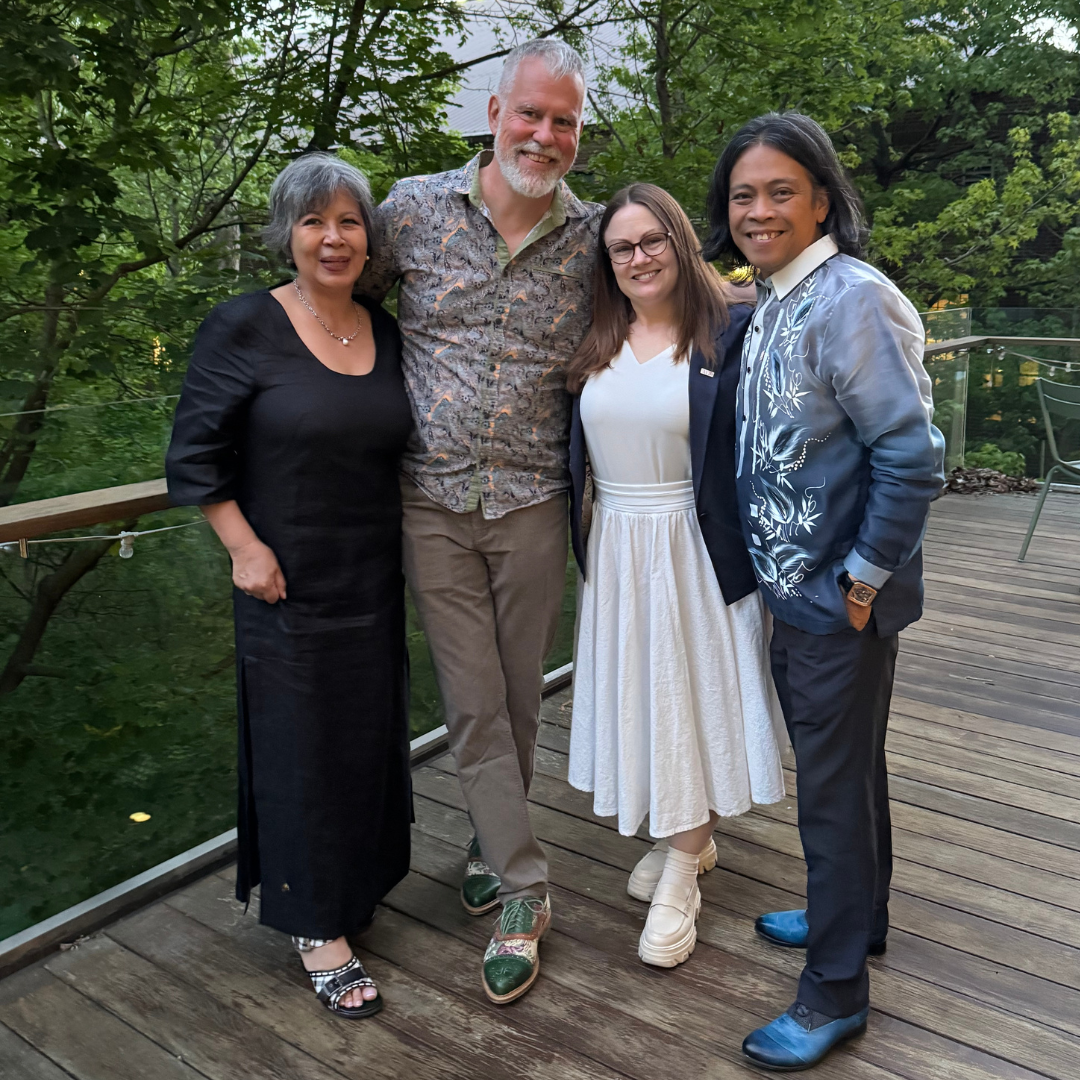
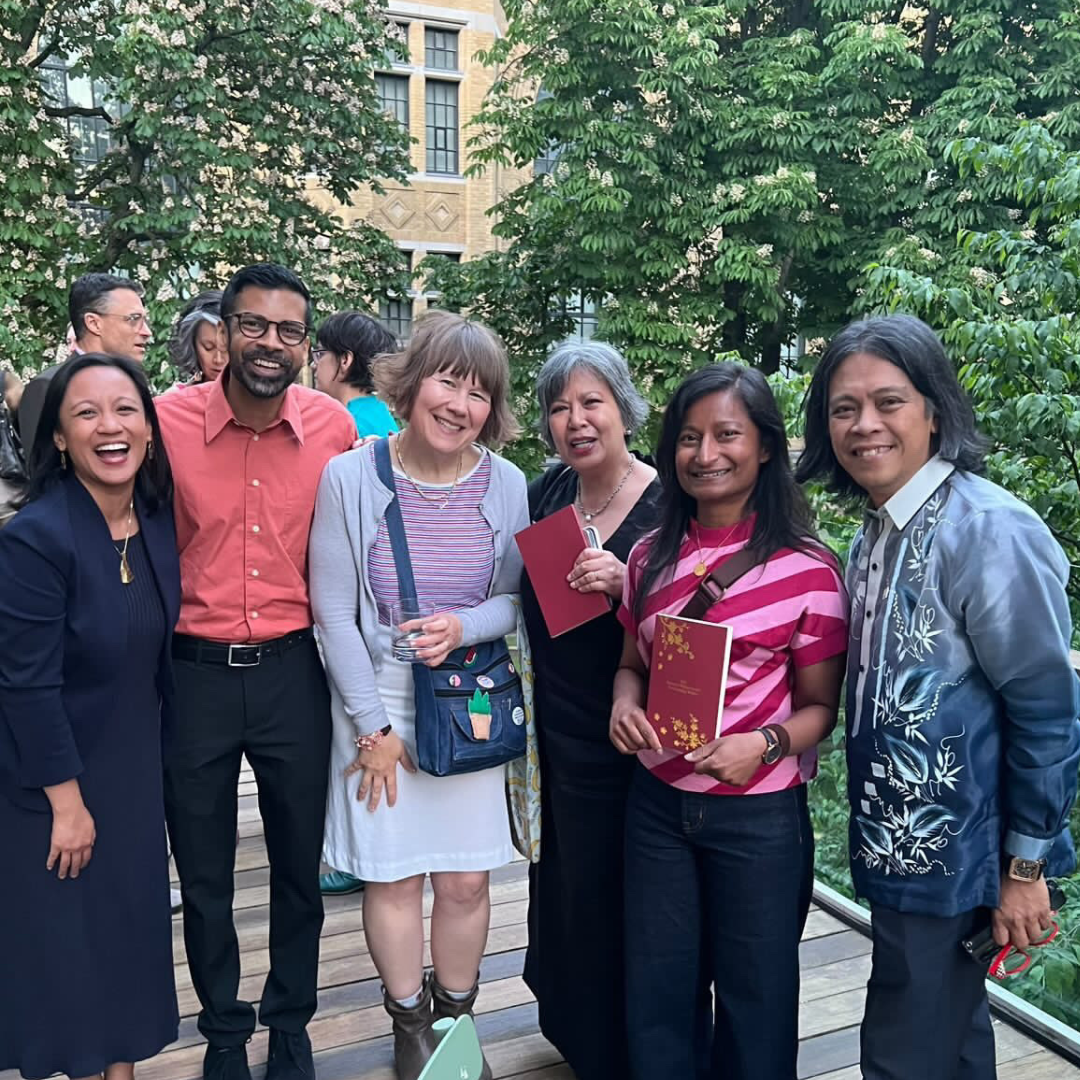
Grace Sanchez MacCall did the same, folding me into circles of her friends until the introductions blurred into one long, warm welcome.
At that moment, I felt like I had arrived as a writer. I was being handed, person by person, a community.
While I was moving from conversation to conversation, Boyd, my husband, had already started making phone calls. His mother in Carberry had been waiting to hear the results. At one point, between congratulations from strangers and introductions to writers, he handed me the phone.
I found myself speaking to her in the middle of the reception, trying to explain what had happened while people continued to gather around us.
It remains one of the strangest and most wonderful memories of the evening: standing in a grand hall in Toronto with an award in my hand while talking to my mother-in-law in rural Manitoba.
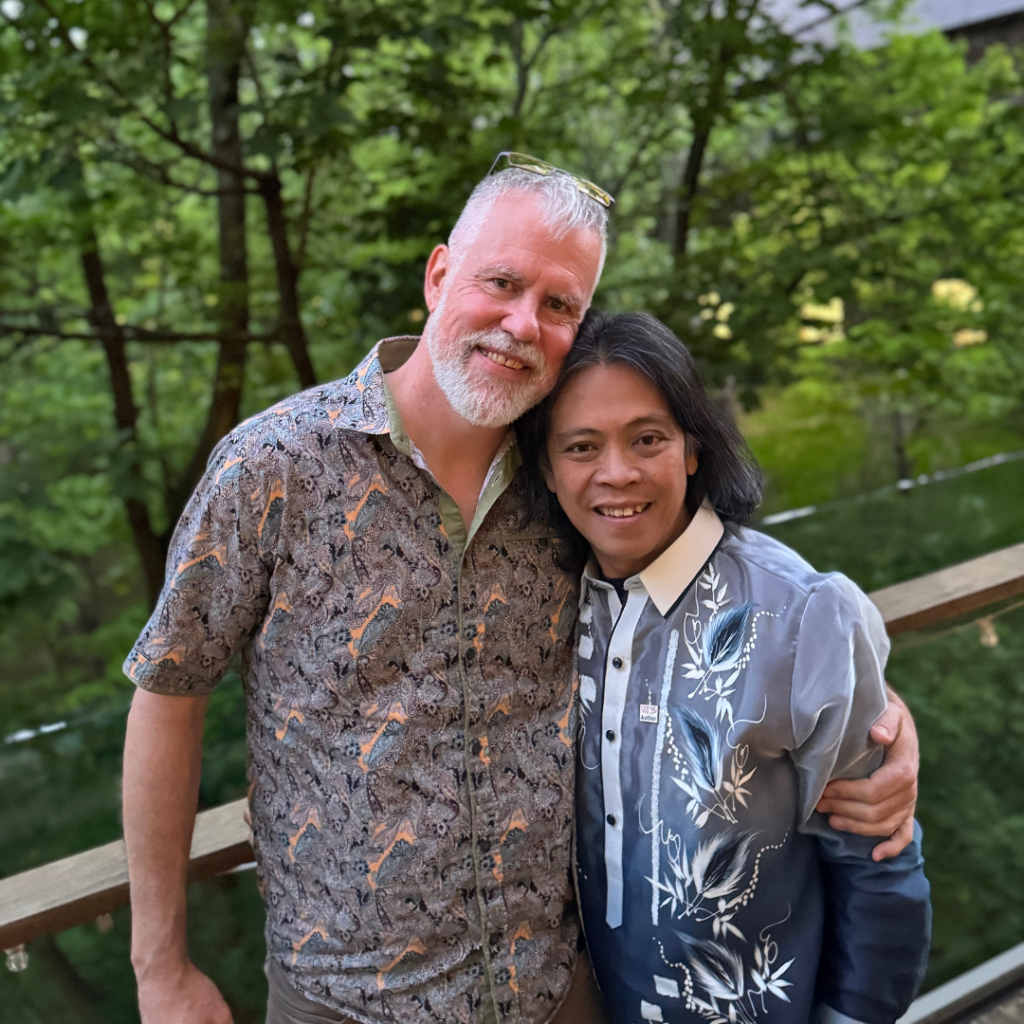
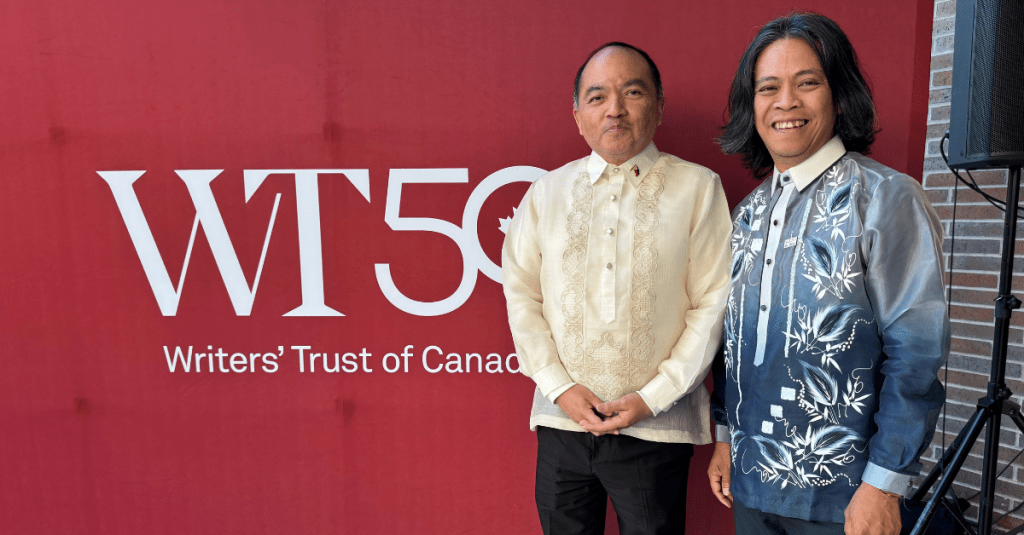
The moment I keep returning to is the Ambassador. Patria Rivera, the poet who encouraged me to dabble into the craft, had invited him.
The Philippine Ambassador to Canada, at a poetry gala, for a queer former seminarian’s stories about estrangement—it should have felt improbable. Somehow, it didn’t.
He could only stay for the first part of the event and missed the announcement. He had somewhere else he was expected.
Before the event started, he asked us to meet him afterward at a restaurant.
And there, over drinks and small plates, the Ambassador told us what he wanted: to showcase what Filipinos in Canada are making. Our literature. Our voices.
I sat at that table and understood that the award on the stage was the smaller thing.
The larger thing was happening right there, in the clink of glasses and the easy Tagalog rising and falling around me—a whole people, from the Ambassador down to the friend I’d met an hour earlier, holding my win as though it were theirs to be proud of.
Because it was.
That is the part I hadn’t understood when I walked into the room.
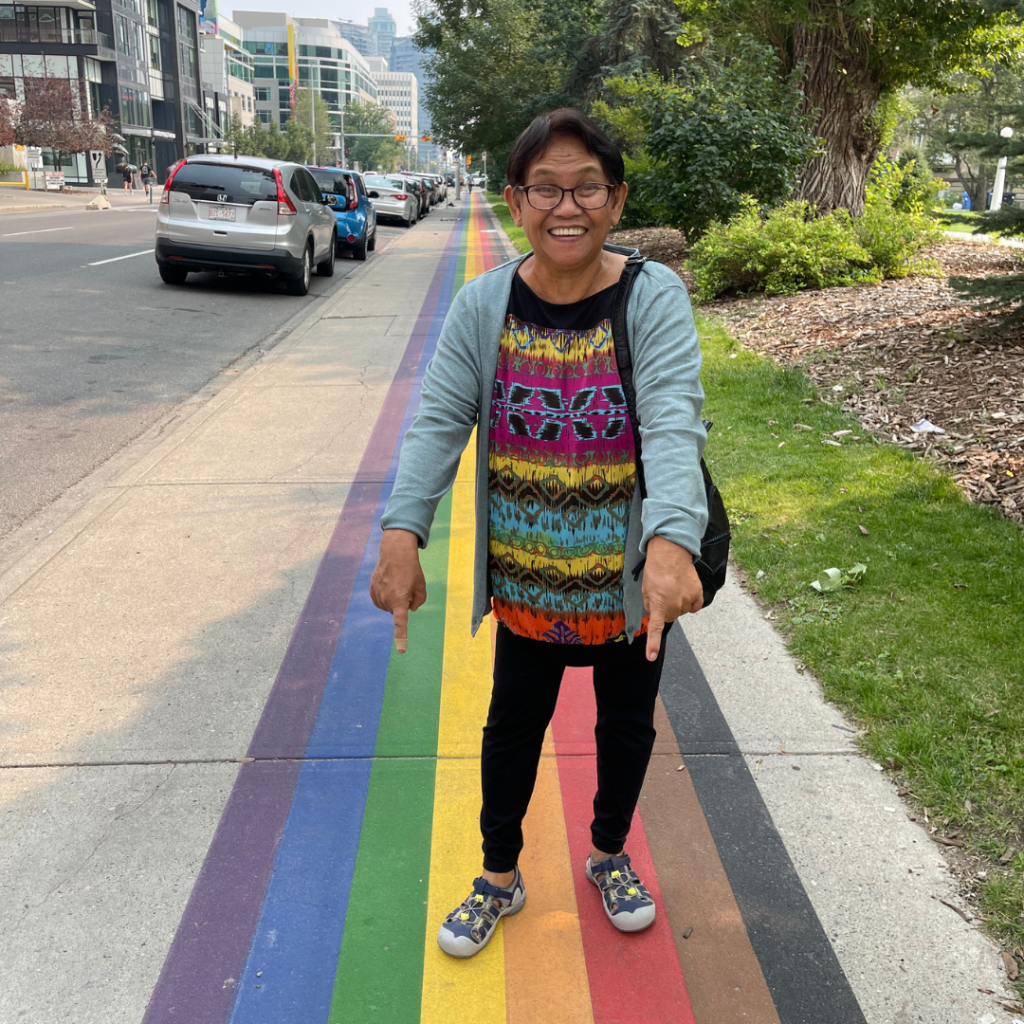
There was one person missing from all of it.
My mother was supposed to be in Toronto that week. The plan had been simple: she would fly from the Philippines and we would attend the ceremony together.
She died on March 30.
Long before editors, publishers, juries, or readers, she was the first witness to my stories. When I was three or four, I told her about the friends I met on the roof of our house. One of them was named Presindo. I can no longer remember what Presindo looked like or what adventures we shared. What I remember is my mother listening.
She listened when I described impossible things as though they were ordinary. She listened seriously enough that I kept returning with more stories.
Neither of us could have known that she was listening to a writer in training.
Throughout the evening, I found myself thinking of her because I wished she could have seen all of it.
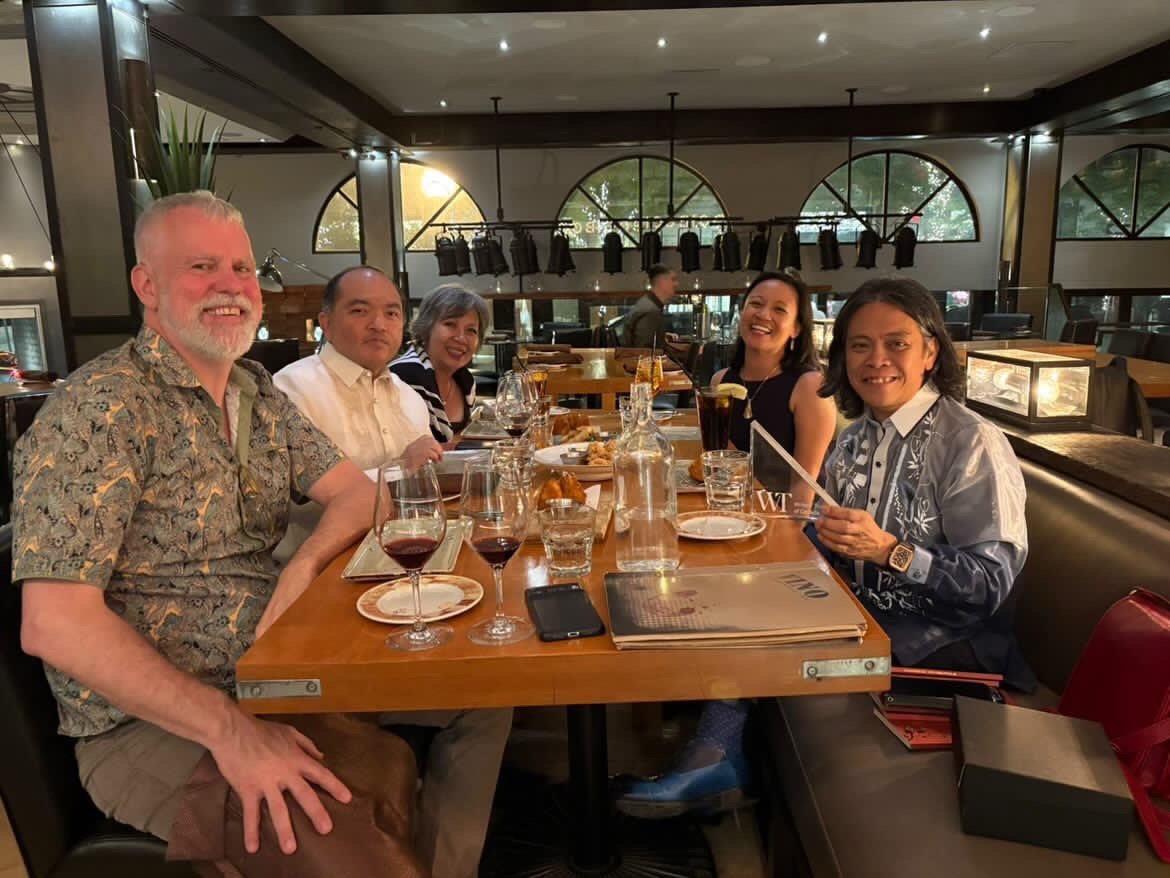
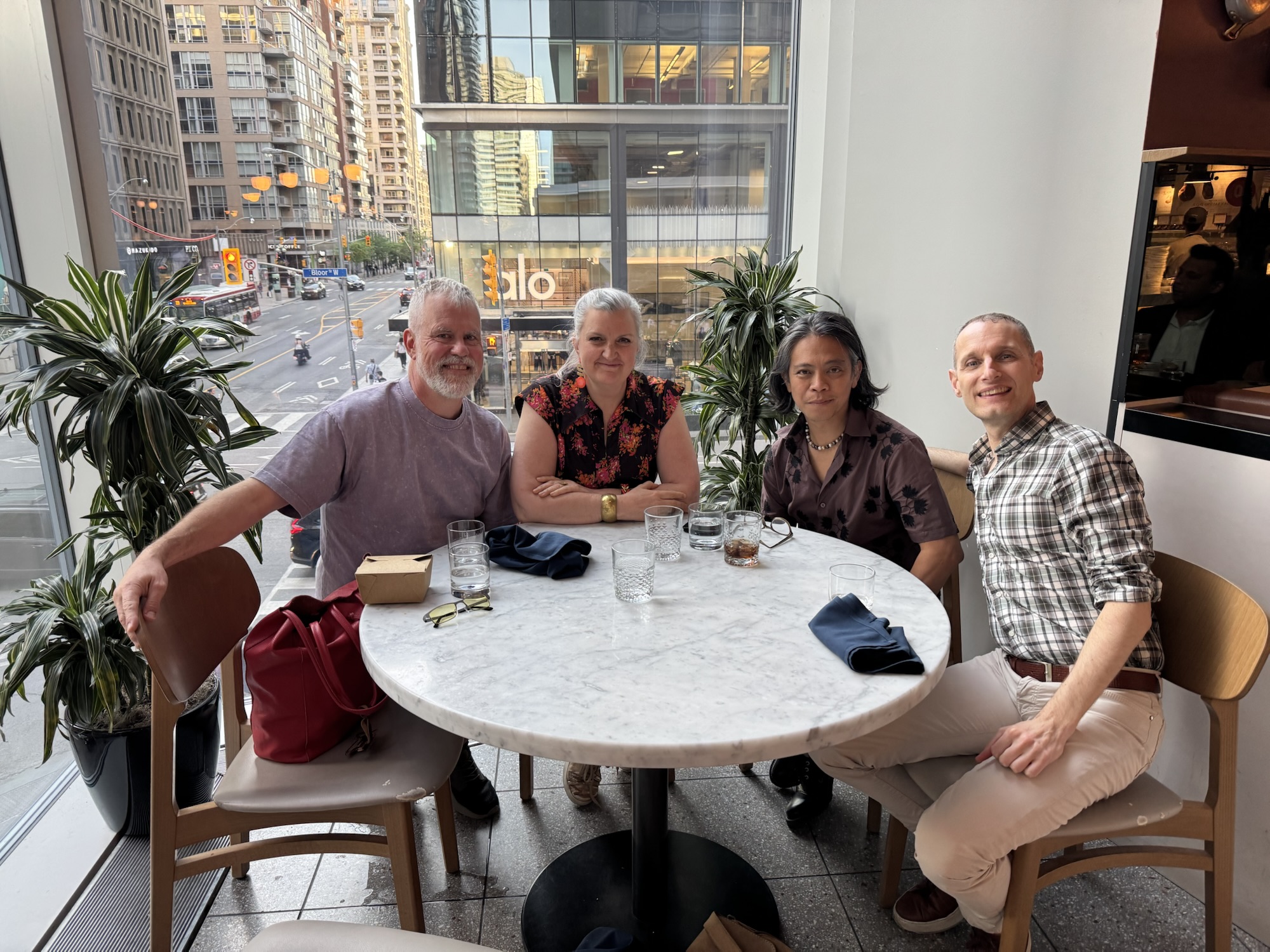
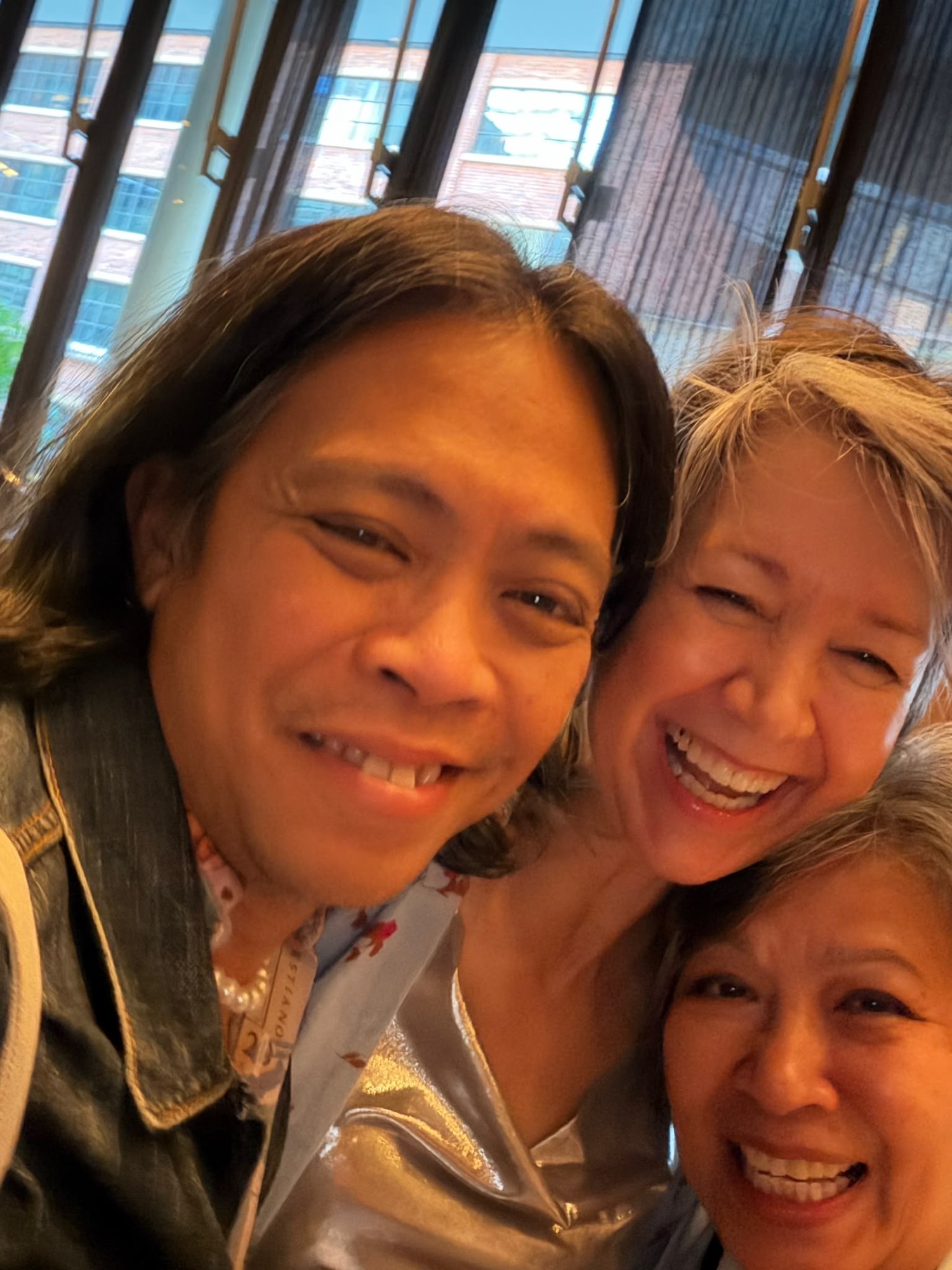
At 3 a.m. in our hotel, I scrolled through my phone and watched the same thing happening at a distance. Filipino artists and writers were posting my name, celebrating as though the prize had landed in their own hands.
The flood that had begun in the room kept moving through the screen, into the night, across the country, in fact across the ocean.
What stayed with me was the discovery that what happened on that stage did not belong to me alone.
It lived in Jennilee’s camera roll, in Tagalog spoken across a restaurant.
And perhaps, too, in a woman half a world away who listened to a little boy talk about a friend named Presindo on the roof of a house and never once told him to stop telling stories.
I went to Toronto thinking I might win something.
I came home having been let in.
Read the published works of the finalists for the 2026 Writers’ Trust RBC Bronwen Wallace Award.

 Renato Gandia