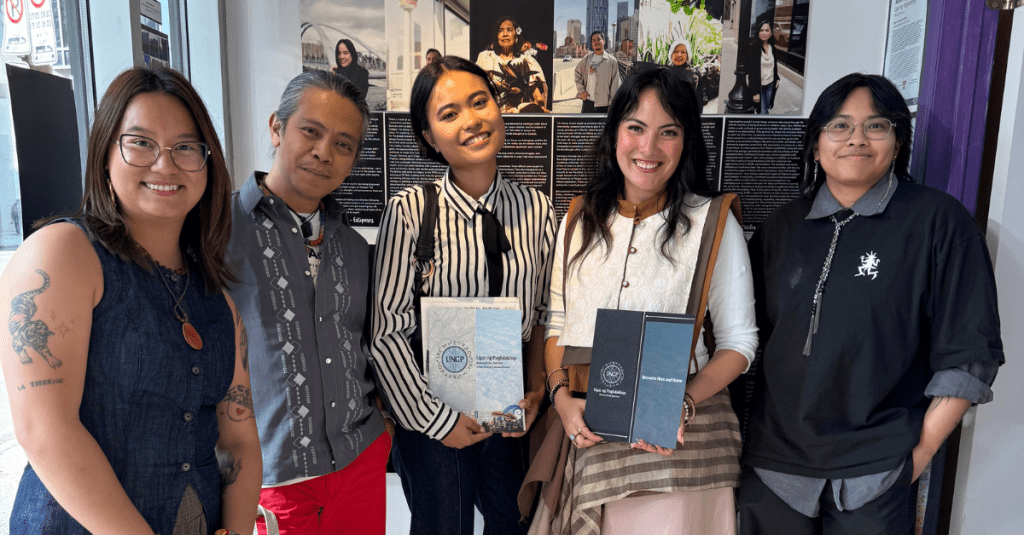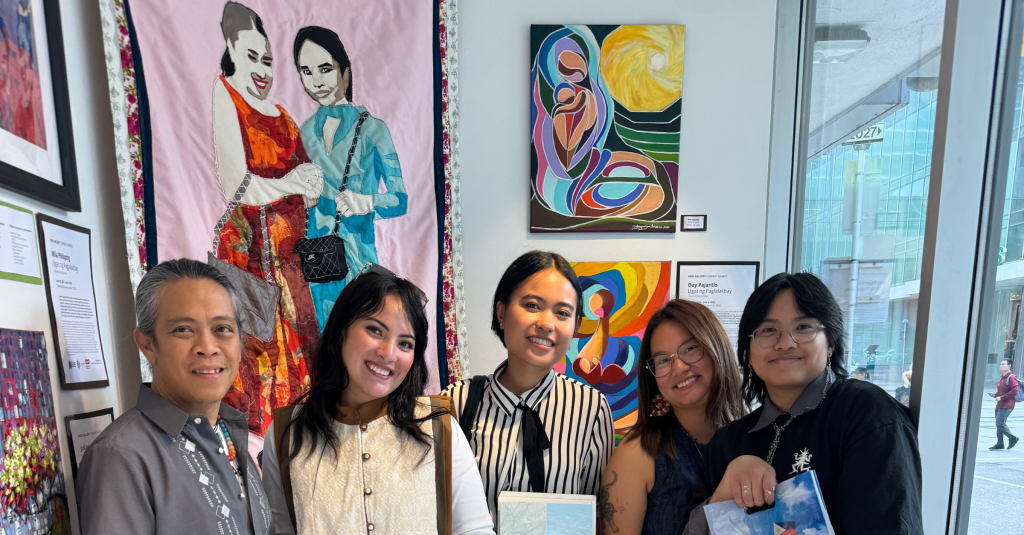
I remember looking around the room during Ugat ng Paglalakbay and realizing I had seen this moment before.
Not the paintings hanging on the walls, the photographs, collages and comics on display, or the poems being read aloud. Not even the conversations that lingered long after the formal program had ended.
The feeling.
It had begun weeks earlier, on May 23, at Kikay Noon at Ngayon, where paintings by Filipino artists found new life as elegant Filipiniana on the runway, accompanied by music and dance. Then, on June 13, came Ubefest. I was out of town that weekend, but my social media feeds were filled with photographs and videos from an event that exceeded the organizers’ expectations and attracted coverage from Calgary and Toronto media.
Standing there that evening at Ugat ng Paglalakbay, I realized these weren’t three unrelated events.
They were three chapters of the same story.
Throughout Asian Heritage Month and Filipino Heritage Month, Calgary witnessed something remarkable. Through fashion, food, literature and the visual arts, our community wasn’t simply celebrating its heritage. It was interpreting it, expanding it and inviting the wider city to experience it.
Every immigrant community evolves.
The pioneers build organizations, churches, businesses and community associations. They create places where traditions can survive far from home and where newcomers can find belonging. The generations that follow inherit those foundations. Their task is different. They honour that legacy not by preserving it unchanged, but by finding new ways for culture to flourish.
That is what I have been witnessing these past few months.
Visual artist Day Pajarillo imagined Kikay Noon at Ngayon as a collaboration between painters and fashion designers, transforming works by Filipino artists into Filipiniana. Art stepped away from the gallery wall and onto the runway. Fashion shared the stage with music and dance, reminding us that tradition is not something frozen in time. It is something every generation has the privilege of reimagining.
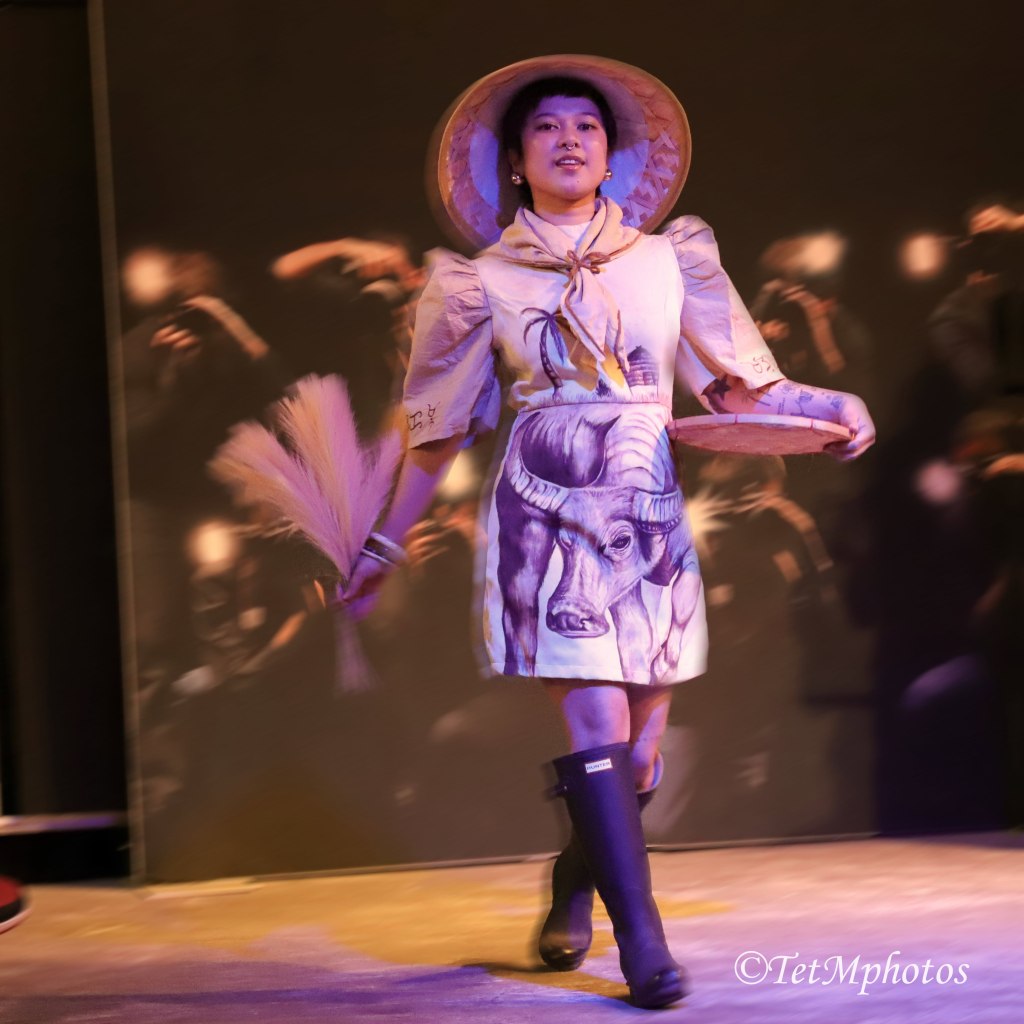
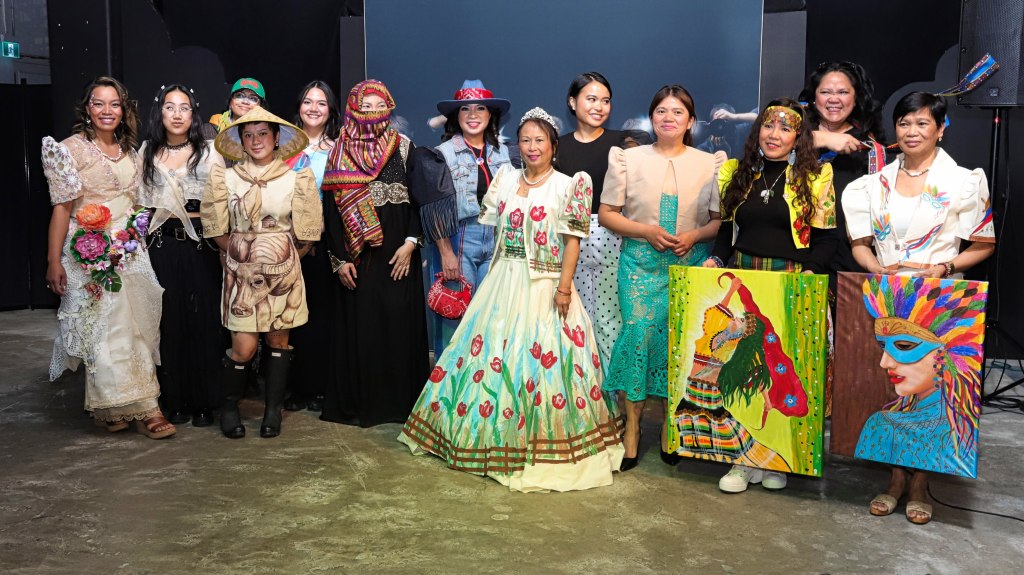
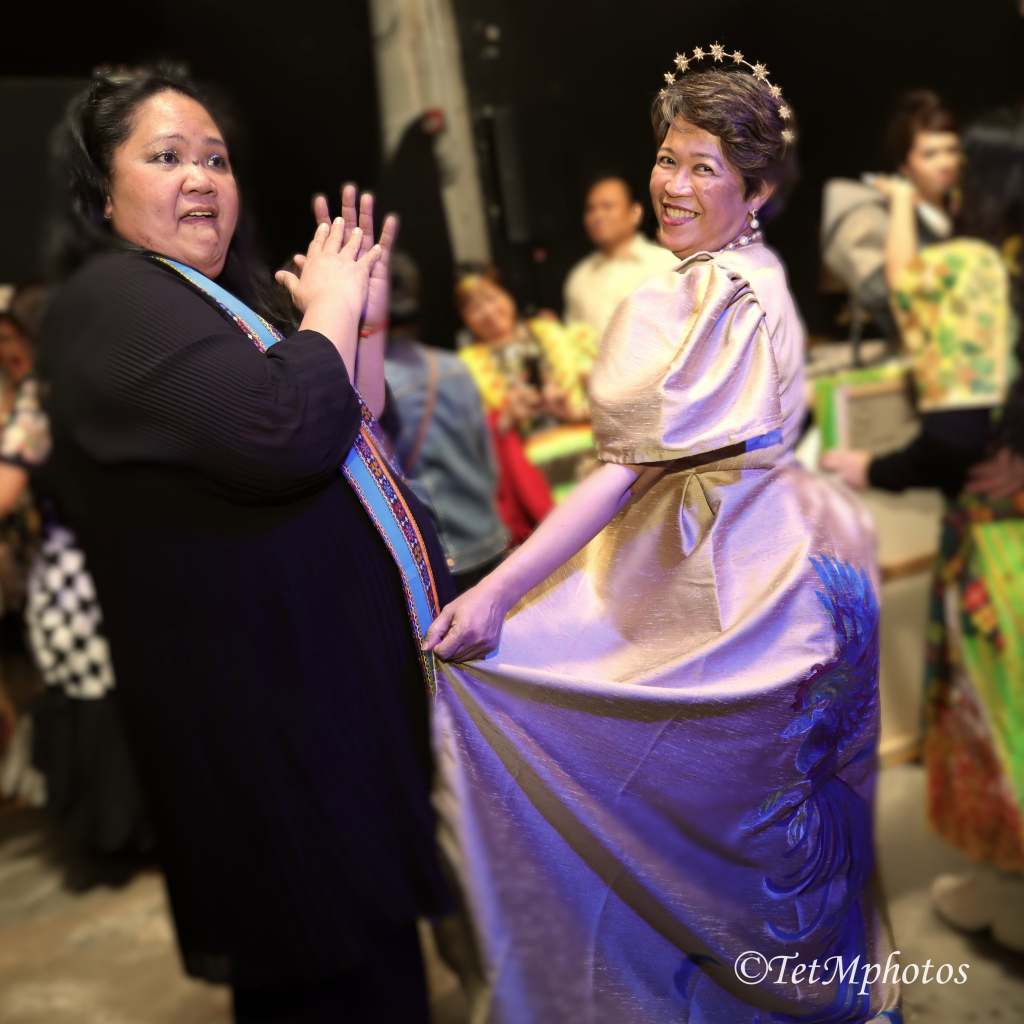
Photos by Tet M
On June 13, Maria Berena and her team introduced Calgary to Ubefest, celebrating ube, a distinctly Filipino ingredient that has found admirers around the world. In recent years, ube has become instantly recognizable in cafés, bakeries and grocery stores far beyond the Philippines. Yet popularity can sometimes separate an ingredient from its story. Ubefest gently restored that connection, reminding us that behind every familiar flavour is a history, a people and a culture worth knowing. Through food, music and dance, it welcomed thousands of people into that story.
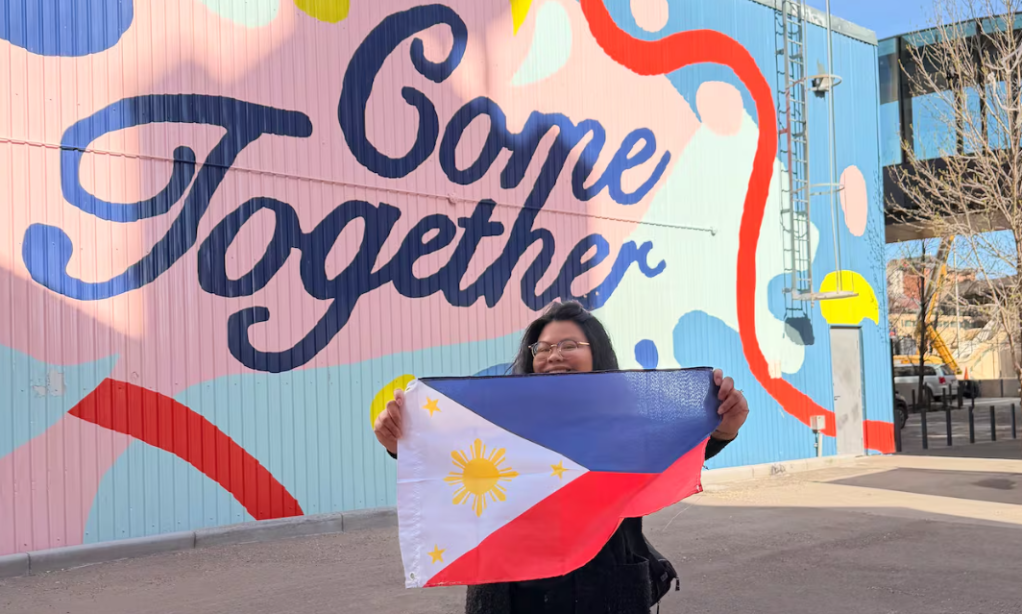
Photo by Maria Berena, Ubefest Calgary organizer.
A week later, Nicole Reyes and Alex Carreon brought together writers and visual artists for Ugat ng Paglalakbay. As one of the participating writers, I was honoured to share my work alongside artists whose paintings, photography, collage, comics and writing explored memory, migration, identity and belonging. The gathering also made space for learning and dialogue, with Anakbayan Alberta and Migrante Alberta facilitating a workshop that invited participants to reflect more deeply on history, identity and community. What stayed with me most, however, wasn’t my own reading. It was the realization that Filipino stories were being expressed in so many artistic forms, each one revealing another dimension of who we are as a community.
As I reflected on these gatherings, I realized there was another story unfolding beneath the events themselves. The same names kept appearing. Organizers attended one another’s events. Artists participated across disciplines. Volunteers showed up wherever another pair of hands was needed. There was no sense of competition—only a shared desire to see one another succeed.
Filipinos have a word for this: bayanihan.
It is often described as the spirit of communal cooperation—the willingness to help one another, to carry a shared burden and to celebrate one another’s successes as if they were our own. Watching these events unfold, I realized that bayanihan wasn’t simply being remembered. It was being lived.
Only later did I realize that each gathering invited us to experience our culture in a different way.
We wore our stories. We shared our stories. We told our stories.
And through bayanihan, we carried one another’s stories.
When I arrived in Canada in 1997, I was looking for Filipino community. Nearly three decades later, I find myself witnessing something even more exciting: Filipino-Calgarians creating a cultural life that is rooted in our heritage while confidently engaging with the city we now call home.
None of these events happened by accident.
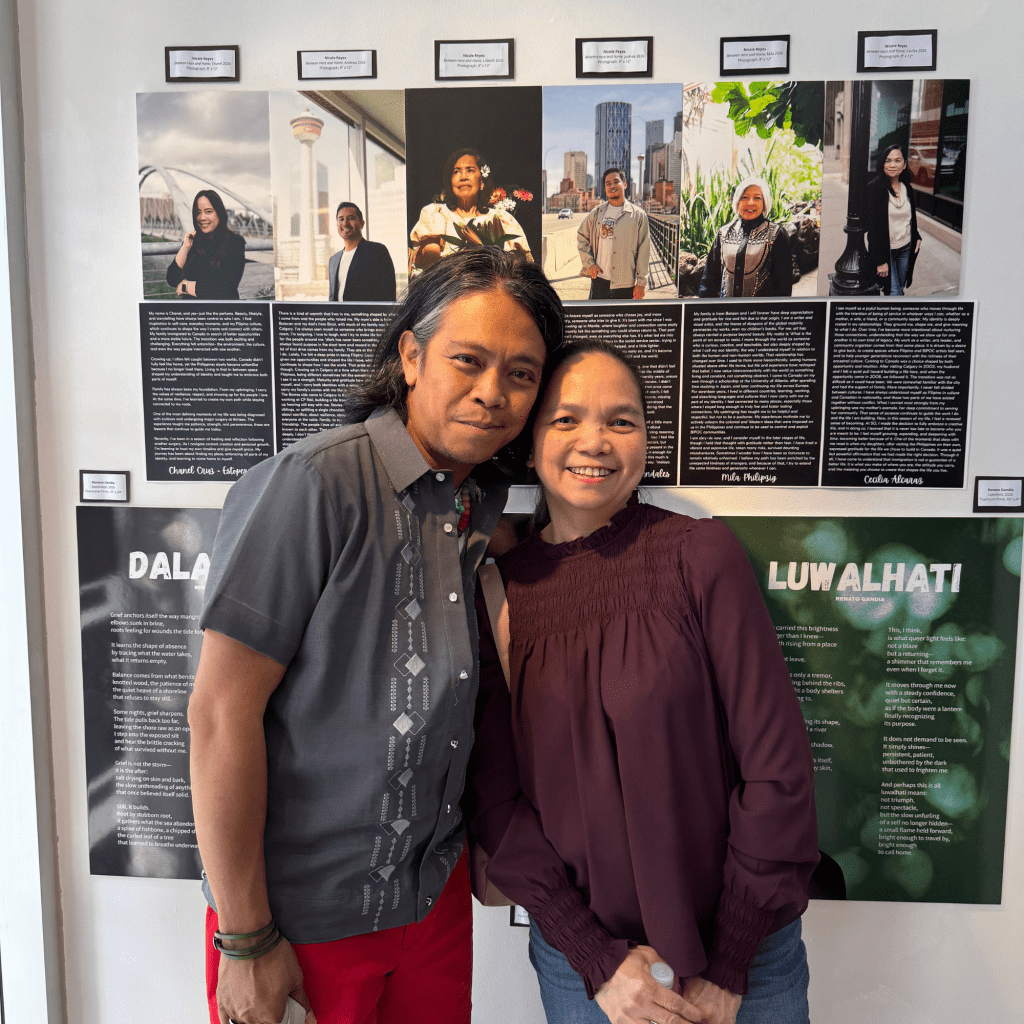
Renato Gandia, left, and Cecilia Alcaraz of Salingpusa Magazine. Cecilia is behind several Filipino-focused cultural and literary initiatives in Calgary.
Behind every runway, every exhibition wall, every performance, every poem and every shared table were people with a vision. Day Pajarillo. Maria Berena. Nicole Reyes. Alex Carreon. Along with several artists, performers, volunteers, sponsors and supporters, they devoted countless hours to creating spaces where Filipino creativity could flourish. They showed up not only for their own events but for one another’s. Their generosity became part of the art itself.
Judging by the audiences they drew, they were right.
Perhaps that is what moved me most.
Asian Heritage Month and Filipino Heritage Month invite us to remember where we came from. This year reminded me that heritage is not only something we inherit. It is also something we create.
The greatest tribute we can pay our heritage is not simply to preserve it, but to give it new ways to speak.
This year, through fashion and food, through literature and the visual arts, our community did exactly that.
And I have a feeling we’re only beginning to hear its voice.