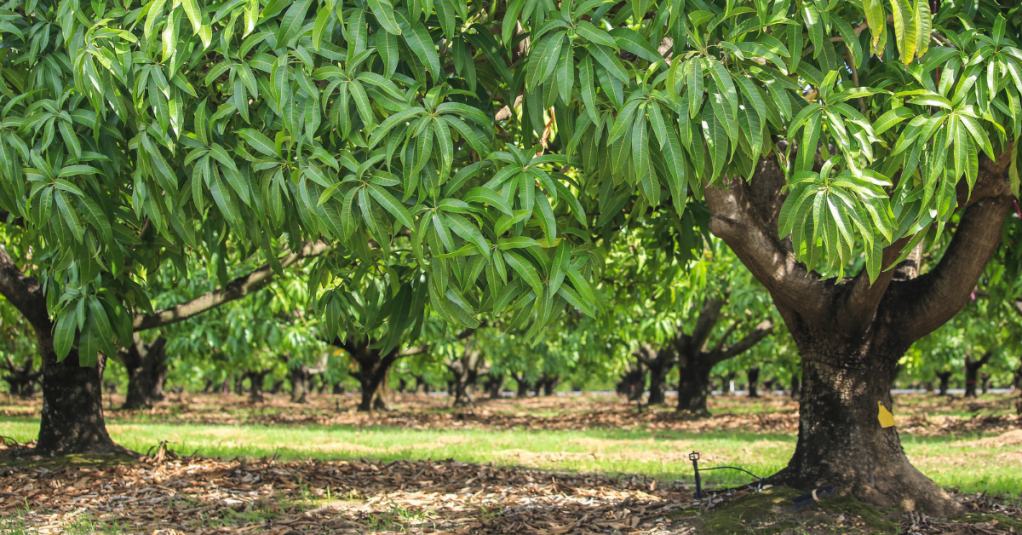
When I was in Grade 5 in Maragondon, Cavite, I walked past a mango orchard on my way to and from school.
Occasionally, I would stop beneath one of the trees and sit for a while. I don’t remember whether I took out a notebook or whether I simply sat there with my schoolbag beside me, but I remember imagining myself writing a book.
Not a particular book. I had no title in mind, no characters waiting to be introduced, no grand literary ambition I could have explained to anyone. I simply liked the idea of writing something that might one day exist beyond the boundaries of my own imagination.
I wonder now what that boy thought a writer’s life looked like.
Perhaps he imagined a desk, a typewriter, a room filled with books. Perhaps he imagined his name printed on a cover. Or perhaps he was simply a child who enjoyed making things up, who found in the shade of a mango tree a place where the ordinary world could become something else.
Whatever he imagined, I doubt he pictured himself more than four decades later, living in Canada, trying to finish revisions on three manuscripts while wondering when he would find time to iron his shirts.
But here we are.
Next year, I will have two books published.
My debut poetry collection, Eating Rice, On Our Feet, is scheduled for release in spring 2027 by Frontenac House. Later that year, Freehand Books will publish Unpriesting: A Memoir.
And in 2028, Cormorant Books will publish my debut novel, which I’m currently revising.
Three books. Three different literary forms. Three different publishers.
Sometimes I write those sentences just to see whether they look as improbable on the page as they feel in my head.
For much of my life, writing happened quietly, around everything else. Around work, responsibilities, relationships, the practical business of living. There were long stretches when I wrote without knowing whether anyone beyond a handful of friends would ever read what I had written.
I took online writing courses. I attended in-person workshops. I read other writers, sometimes with admiration, sometimes with envy, often with the uncomfortable realization that I still had so much to learn.
I submitted work. I collected rejections. I revised. I submitted again.
And somewhere along the way, I stopped thinking of writing as something I might someday do and began understanding it as something I was already doing.
This was not my first attempt to enter the literary world. I’d tried before. Life intervened, as it often does, and there were years when the possibility of becoming a published author seemed increasingly remote.
But I returned to it.
I don’t know that I returned with greater confidence. Perhaps I simply had more patience. Or perhaps, as I grew older, I became less willing to keep postponing the things I loved.
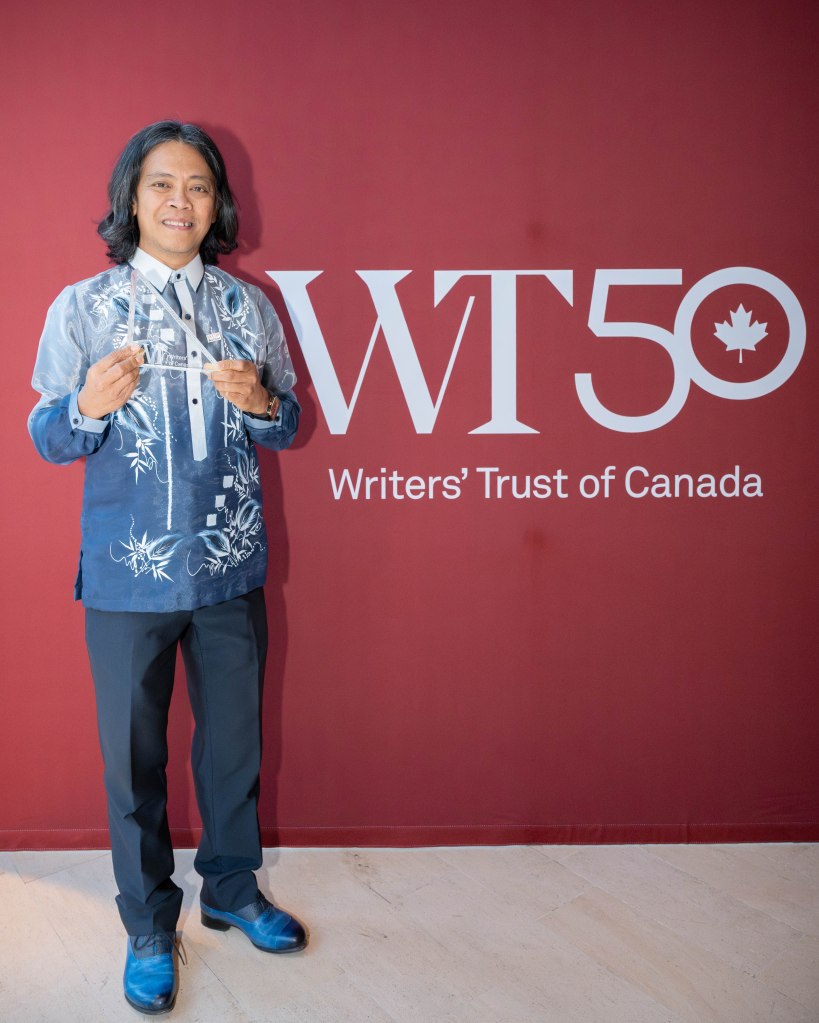
Then came 2026, a year that has surprised me in ways I’m still trying to understand.
My poems were shortlisted for The Malahat Review’s Open Season Awards and The Fiddlehead’s Ralph Gustafson Poetry Prize. I received the 2025 PRISM International Pacific Spirit Poetry Prize, and a short story was shortlisted for the Bridport Prize. I won the 2026 RBC Bronwen Wallace Award for Emerging Writers in Poetry and was longlisted for the CBC Nonfiction Prize.
All of this happened within a single year.
I mention these not because I have suddenly become a different writer, but because I remember what it felt like to send work into the world and hear nothing. Or to receive the familiar, polite message that began with some variation of *Thank you for your submission*.
I still receive those messages, by the way.
Publication and prizes do not confer immunity from rejection. They don’t make the next poem easier to write, either. If anything, I sometimes find myself staring at a blank page with a new assortment of anxieties.
But the encouragement has mattered.
Winning the Bronwen Wallace Award also brought the extraordinary opportunity to work with Billy-Ray Belcourt as my mentor. I’ve been developing another poetry collection with his guidance, and those conversations have challenged me to think more deeply about what a poem can do, what it can withhold, and how language might take me somewhere I hadn’t intended to go.
Meanwhile, the Canada Council for the Arts is supporting the writing of my next novel.
There are days when I look at everything happening and wonder how I arrived here.
The answer, of course, is that I didn’t arrive anywhere suddenly.
There were years of writing that seemed to lead nowhere. Poems that failed. Stories that needed to be dismantled and rebuilt. Drafts I abandoned, only to return to them months or years later. There were teachers, fellow writers and friends who took my work seriously before I had much reason to believe anyone else would.
And there was the simple, stubborn pleasure of putting words on a page.
Lately, I’ve been absent from this newsletter more often than I intended.
When I began Unlearning the Silence, I hoped to post every week. For a while, I managed it. Then the revisions arrived, followed by more revisions, editorial conversations, deadlines, readings and literary festivals.
I’ve been travelling to small festivals, meeting other writers, reading poems aloud to strangers and discovering that the literary life involves a surprising amount of scheduling.
Ah, the glamorous life of a writer.
So, although I haven’t been blogging regularly, I certainly haven’t stopped writing.
I’ve been working through edits on the poetry collection, revisiting difficult passages in the memoir, and putting the finishing touches on another rewrite of the novel. Some days, I move from a poem about hunger and belonging to a memoir passage about faith and desire, then into a fictional world where people make complicated decisions about love.
It’s an interesting way to spend one’s time. It can also leave the brain feeling like a house in which three conversations are happening simultaneously.
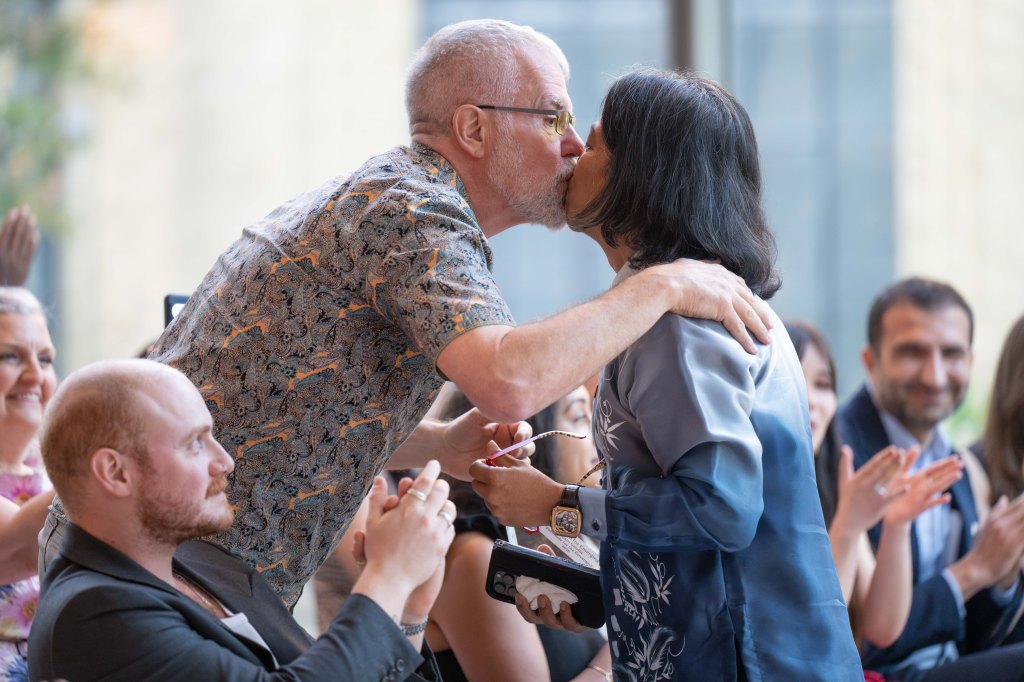
Through all of this, my husband, Boyd, has been my steady companion.
He has celebrated the good news, listened to my anxieties, and lived with the peculiar rhythms of someone who wakes up early to write and occasionally becomes preoccupied with the placement of a single word.
He also does the laundry.
I should explain that this arrangement has its limits.
Boyd washes the clothes, but he generally leaves the folding and ironing to me. Not because he is unwilling, but because I have rather particular ideas about how shirts should be pressed and trousers should be folded. After years together, he has wisely decided not to interfere with my methods.
Marriage, I’ve learned, involves knowing which battles are worth fighting.
So even as I prepare to become the author of three books, there is still a basket of clean laundry waiting for my attention.
I find this strangely comforting.
Writing can change the way we understand our lives, but it doesn’t exempt us from living them. There are groceries to buy, dogs to care for, meals to prepare, clothes to iron. The world continues its ordinary demands, indifferent to whether a poem has won a prize or a manuscript has finally found a publisher.
And perhaps that’s a good thing.
I think again of that boy beneath the mango tree in Maragondon.
I wish I could remember more precisely what he was imagining. I wish I knew what kind of book he wanted to write, or whether he believed, even then, that he might someday become a writer.
I would like to tell him that there will be a long journey ahead. That he will leave the Philippines, build a life in another country, love and lose, question things he once believed were unquestionable, and discover that writing can be both a refuge and a way of confronting what he would rather not face.
I would tell him that he will have to learn to live with rejection. That he will find people who believe in his work. That there will be days when the writing feels impossible and others when a sentence arrives so unexpectedly that he will wonder where it came from.
And that one day, there will be books.
Not just the imaginary book he dreamed of beneath the mango tree, but actual books, with covers and pages and other people’s hands turning them.
I don’t know whether he would believe me.
I’m not entirely sure I believe it myself.
But I think he would be pleased to know that, after all these years, I am still making things up, still finding reasons to sit quietly with words, still discovering what writing might make possible.
And now, if you’ll excuse me, I have some shirts to iron.


